One Feed. Countless Uses.
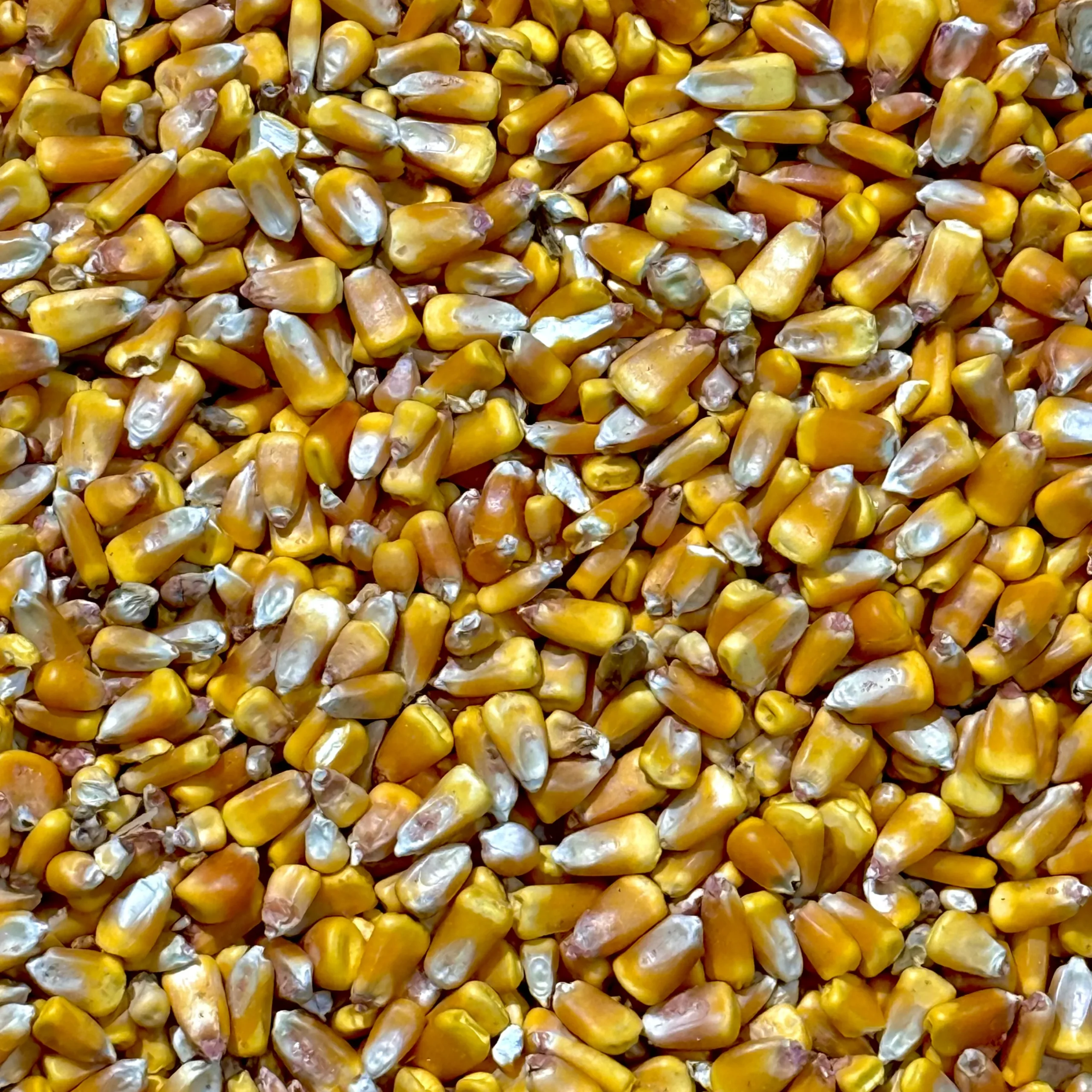
Whole corn has been a trusted livestock feed for generations because of its versatility, affordability, and energy density. It can be fed alone as a supplement or incorporated into balanced rations for numerous species.
Ideal for:
- Beef cattle
- Deer
- Hogs
- Poultry
- Sheep
- Goats
- Wildlife feeding programs
Fuel Performance & Maintain Body Condition
Whole corn is naturally rich in starch, making it an excellent energy source for livestock during periods of increased nutritional demand.
Feeding Benefits
- High-energy grain
- Excellent carbohydrate source
- Helps maintain body condition
- Highly palatable
- Economical supplemental feed
- Easy to store and handle
Why Feed Whole Corn?
Excellent Energy Source
Provides concentrated carbohydrates that help fuel growth, maintenance, and performance.
Economical Feed Option
One of the most cost-effective energy supplements available.
Great for Wildlife
Commonly used in wildlife feeding programs for deer and other game animals.
Versatile Livestock Feed
Suitable for cattle, hogs, poultry, goats, sheep, and other livestock as part of a balanced ration.
Easy to Handle
Flows well through gravity feeders, bulk bins, and feed storage systems.
Available Bulk or Bagged
Purchase the quantity that best fits your operation.
A Feed That Fits Almost Every Operation
Whole Corn is commonly used for:
Beef Cattle
Supplement energy during growing, finishing, or winter feeding programs.
Deer
Provide supplemental energy alongside quality protein feeds.
Poultry
Excellent scratch grain ingredient and energy source.
Hogs
Incorporate into balanced swine rations.
Wildlife
Popular choice for supplemental wildlife feeding programs.
High-Energy Grain for Livestock & Wildlife
Whole corn is valued primarily for its high carbohydrate content, making it one of the most economical sources of digestible energy available. It provides calories that support body condition, growth, milk production, and daily maintenance across a wide range of livestock species. While corn is an excellent energy feed, it is relatively low in protein, vitamins, and certain minerals compared to complete rations. For best results, whole corn should be fed alongside quality forage, protein supplements, and balanced minerals to ensure animals receive complete nutrition. Its versatility, affordability, and palatability have made whole corn a staple ingredient in livestock and wildlife feeding programs for decades.
Feeding Recommendations
- Feed Type: Whole Grain
- Primary Nutrient: Energy
- Primary Uses: Supplemental Feeding
- Available: Bulk & Bagged
Recommended Feeding:
Whole corn should be fed as part of a balanced nutrition program and not as the sole source of nutrition. Introduce corn gradually when adding it to an animal’s diet to reduce digestive upset. Feeding rates should be adjusted based on species, age, production stage, forage availability, and overall nutritional requirements. Always provide fresh, clean water and adequate roughage for ruminant animals.
Whole Corn FAQs
What animals can eat whole corn?
Whole corn is commonly fed to cattle, deer, hogs, poultry, goats, sheep, and other livestock as part of a balanced feeding program.
Is whole corn a complete feed?
No. Whole corn is primarily an energy source and should be supplemented with protein, minerals, vitamins, and forage appropriate for each species.
Can whole corn be fed to deer?
Yes. Whole corn is widely used as a supplemental energy source for deer but performs best when paired with a quality protein feed, especially during antler growth, breeding, and fawning seasons.
Is whole corn available in bulk?
Yes. Jack Seed & Supply offers both bagged and bulk whole corn to meet the needs of hobby farmers, ranches, and large livestock operations.
Reviews
There are no reviews yet.