Alfalfa
Home » Alfalfa
Alfalfa Seed for West Texas & the High Plains
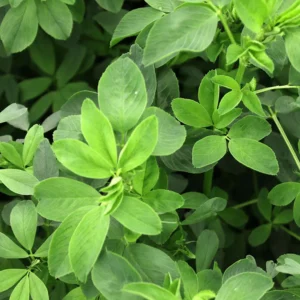
Alfalfa is one of the most productive and valuable perennial forage crops available to livestock producers. Known for its high forage quality, excellent yield potential, and ability to produce multiple cuttings throughout the growing season, alfalfa is an excellent choice for hay production, livestock feed, and long-term forage systems.
Jack Seed & Supply carries quality alfalfa seed for producers throughout the Lubbock area, Amarillo area, West Texas, the Texas Panhandle, Eastern New Mexico, and the Oklahoma Panhandle. Whether you’re establishing a new field or replacing an older stand, our team can help you select an alfalfa variety that fits your acres and production goals.
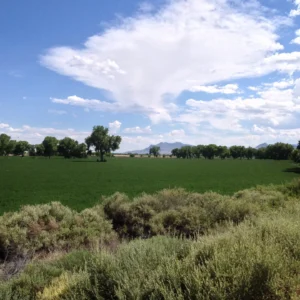
Alfalfa for Hay Production
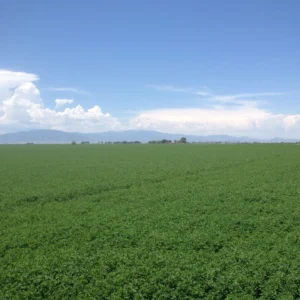
Alfalfa is widely grown for premium hay because of its high protein content, excellent palatability, and strong forage quality. With proper management, established alfalfa fields can provide multiple cuttings and dependable forage production throughout the growing season.
Dairy & Beef Cattle Forage
Quality alfalfa provides valuable protein and energy for both dairy and beef cattle feeding programs. Whether harvested as dry hay, haylage, or silage, alfalfa can serve as an important forage source for operations focused on animal performance and feed quality.
Alfalfa for Horses
Alfalfa hay is a popular forage option for many horse feeding programs due to its palatability and nutrient density. Selecting the right variety and managing the crop for proper harvest timing can help produce high-quality horse hay.
Grazing Alfalfa
Alfalfa can also provide productive, high-quality forage in properly managed grazing systems. Variety selection, stand management, grazing timing, and livestock management are important when incorporating alfalfa into a grazing program.
Irrigated Alfalfa
Irrigation can help alfalfa reach its production potential across the dry High Plains. Selecting varieties with strong persistence, disease resistance, and yield potential can help producers build productive stands capable of supporting repeated harvests.
Dryland Alfalfa
Alfalfa can also fit certain dryland and limited-moisture systems when soil conditions, rainfall, variety selection, and management are appropriate. Deep-rooted plants can access moisture lower in the soil profile, making established alfalfa more resilient than many shallow-rooted forage crops.
Dormancy & Variety Selection
Fall dormancy rating is an important consideration when choosing an alfalfa variety. Dormancy influences seasonal growth, winter survival, harvest potential, and stand persistence. Our team can help you compare varieties and choose a dormancy rating suited to your location and management goals.
Establishing a Strong Alfalfa Stand
Successful alfalfa production starts with proper establishment. Seedbed preparation, soil fertility, planting depth, seeding rate, weed management, and irrigation all influence stand development. Getting these factors right from the beginning can help improve stand density and long-term productivity.
Find the Right Alfalfa Seed
Browse our alfalfa varieties to compare dormancy ratings, disease resistance, forage quality, yield potential, and other agronomic characteristics. Whether you’re planting a few acres for your own livestock or establishing a large commercial hay field, Jack Seed & Supply can help you find the right alfalfa seed for your operation.
Alfalfa Trial Data
Compare the latest alfalfa trial data below to evaluate forage yield, stand persistence, maturity, forage quality, and overall performance. Reviewing trial results alongside your irrigation program, soil conditions, cutting schedule, and production goals can help you select the alfalfa variety that’s the best fit for your operation.
Frequently Asked Questions About Alfalfa Seed
What is alfalfa commonly used for?
Alfalfa is primarily grown for hay, haylage, silage, and livestock forage. It is commonly fed to cattle, horses, sheep, goats, and other livestock because of its high forage quality.
How many years will an alfalfa stand last?
Stand life varies depending on variety, soil conditions, irrigation, cutting schedule, pest pressure, weather, and overall management. Proper establishment and management can significantly improve stand persistence.
What does fall dormancy mean in alfalfa?
Fall dormancy describes how strongly an alfalfa variety reduces growth as temperatures and day length decline. The appropriate dormancy rating depends on your growing environment, winter conditions, and production goals.
Does alfalfa need irrigation in West Texas?
Irrigation is commonly used for high-production alfalfa systems across West Texas because of the region’s limited and variable rainfall. Alfalfa may also be grown under certain dryland conditions where soils, rainfall, and management are suitable.
How do I choose the right alfalfa variety?
Consider fall dormancy, winter survival, disease resistance, yield potential, forage quality, soil conditions, irrigation availability, and intended use. Our team can help you compare alfalfa varieties and determine the best fit for your acres.
