One Crop with Multiple Uses
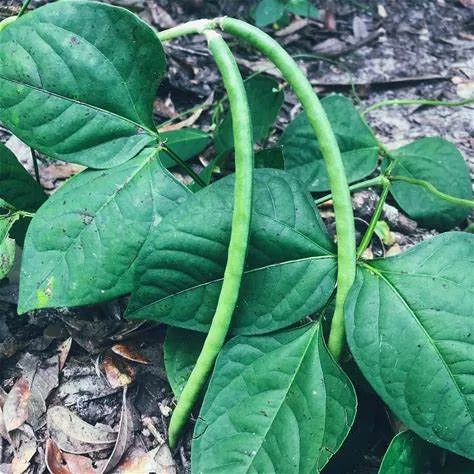
Iron & Clay Peas can fill several roles in a summer planting program. They can be planted as a soil-building cover crop, incorporated into livestock grazing systems, used in wildlife food plots, or added to diverse warm-season seed mixtures.
As a cowpea, Iron & Clay is a legume capable of biological nitrogen fixation when properly inoculated and nodulated. The plant also produces substantial above-ground growth that can protect the soil surface and contribute organic material after termination.
Iron & Clay Peas are an excellent option for:
- Warm-season cover crops
- Wildlife food plots
- Summer grazing
- Soil-building programs
- Nitrogen-fixing rotations
- Multi-species cover crop blends
- Erosion control
- Summer biomass production
Add a Summer Legume to Your Rotation
One of the greatest benefits of Iron & Clay Peas is their ability to fix atmospheric nitrogen through their relationship with rhizobia bacteria.
When properly inoculated and established, cowpeas convert atmospheric nitrogen into forms incorporated into plant tissue. After the crop is grazed, terminated, or decomposes, a portion of that nitrogen can remain within the cropping system.
USDA-NRCS identifies Iron & Clay Cowpeas as a nitrogen source and soil builder, making them particularly useful in warm-season cover crop rotations.
Benefits
- Fixes atmospheric nitrogen
- Adds a legume to crop rotations
- Produces nitrogen-rich biomass
- Helps build soil organic matter
- Improves crop diversity
- Complements high-biomass grasses
- Can contribute nitrogen to subsequent crops
Highly Attractive Summer Forage for Deer
Iron & Clay Peas are one of the most popular cowpeas used in white-tailed deer food plots.
Texas A&M AgriLife identifies Iron & Clay Cowpeas as a warm-season forage legume commonly planted in late spring or early summer to provide a high-protein forage source for deer during mid- to late summer.
Their leafy summer growth can provide highly attractive browse during a period when nutritional demands are high.
Great for Wildlife Plantings
- White-tailed deer
- Turkey
- Quail
- Wildlife habitat mixtures
- Summer food plots
- Hunting properties
- Supplemental wildlife forage
One consideration is grazing pressure. Texas A&M’s wildlife planting guidance notes that deer can heavily browse Iron & Clay Cowpeas, so smaller plots or areas with high deer densities may experience substantial grazing pressure.
Why Choose Iron & Clay Cowpeas?
Warm-Season Legume
Iron & Clay thrives during warm summer growing conditions and provides a legume component for summer crop rotations and cover crop mixtures.
Nitrogen Fixation
Adds biological nitrogen fixation to systems otherwise dominated by grasses and broadleaf crops.
High Biomass Potential
USDA-NRCS guidance for north-central West Texas and southwestern Oklahoma lists approximately 4,000–6,000 pounds per acre of biomass potential for Iron & Clay Cowpeas under the conditions represented by that guide.
Weed Competition
Vigorous summer growth and canopy development can help compete with unwanted vegetation. NRCS identifies weed suppression as one of Iron & Clay’s useful characteristics.
Wildlife Attraction
Produces highly palatable leafy forage that is particularly attractive to white-tailed deer.
Grazing Potential
Cowpeas can also be used for livestock forage. Texas A&M AgriLife lists cowpeas for hay and grazing in summer annual forage systems.
A Summer Legume for Southern Plains Growing Conditions
Iron & Clay Peas are especially useful when growers need a warm-season legume capable of fitting into summer cover crop programs.
USDA-NRCS specifically includes Iron & Clay Cowpeas in its guide to summer cover crop species adapted to north-central West Texas and southwestern Oklahoma. The guide identifies the variety for erosion control, nitrogen production, soil building, and weed suppression.
For West Texas growers, Iron & Clay Peas can complement species such as:
- Sorghum-Sudangrass
- Millet
- Sunn Hemp
- Forage Sorghum
- Grain Sorghum
- Other warm-season legumes
- Custom summer cover crop blends
Pairing cowpeas with warm-season grasses creates a blend with both fibrous grass roots and nitrogen-fixing legume growth.
Iron & Clay Cowpea Planting Recommendations
Iron & Clay Peas should be planted once conditions are warm and the danger of frost has passed. Good seed-to-soil contact and adequate soil moisture are important for establishment.
General Planting Information
- Crop Type: Warm-season annual legume
- Species: Cowpea
- Planting Season: Spring through summer
- Planting Depth: Approximately ½–1 inch in the West Texas NRCS guide
- Planting Method: Drill, planter, or broadcast with proper incorporation
- Inoculation: Use an appropriate cowpea-type inoculant when needed
- Primary Uses: Cover crop, wildlife, grazing, soil building, and nitrogen fixation
For north-central West Texas and southwestern Oklahoma, USDA-NRCS lists a ½–1 inch planting depth for Iron & Clay Cowpeas.
Seeding Rate
Planting rates vary depending on location, planting method, seedbed, and intended use.
For north-central West Texas and southwestern Oklahoma, USDA-NRCS lists:
- Seeding Rate: 20–40 lb./acre
- Planting Depth: ½–1 inch
- Approximate Seeds per Pound: 16,000
Texas A&M guidance for summer annual cowpeas more broadly lists 30–50 lb./acre in rows and 60–90 lb./acre when drilled, illustrating why rates can vary considerably with planting system and objective.
For cover crop blends, rates should generally be adjusted downward based on the number and competitiveness of the other species.
Contact Jack Seed & Supply for an Iron & Clay Pea planting rate based on your acreage and intended use.
What Do Iron & Clay Peas Bring to the Field?
Crop Type: Warm-season annual legume
Common Name: Iron & Clay Cowpea
Primary Uses: Cover crop, wildlife food plots, grazing, nitrogen fixation, biomass, and soil improvement
Growth: Vigorous during warm conditions
Planting Depth: ½–1 inch in the cited West Texas NRCS guide
West Texas NRCS Seeding Rate: 20–40 lb./acre
Seeds per Pound: Approximately 16,000
Plant Height: Approximately 26–28 inches in the cited NRCS guide
Nitrogen Fixation: Very Good
Biomass Potential: Approximately 4,000–6,000 lb./acre
Residue Persistence: Very Good
Weed Suppression: Good
Wildlife Value: Excellent
Season: Warm season
USDA-NRCS identifies Iron & Clay Cowpeas as a summer cover crop capable of providing nitrogen, biomass, erosion control, soil-building benefits, and weed suppression.
What are Iron & Clay Peas?
Iron & Clay Peas are a warm-season cowpea commonly planted for cover crops, nitrogen fixation, wildlife food plots, grazing, biomass, and soil improvement.
Are Iron & Clay Peas good for deer?
Yes. Texas A&M identifies Iron & Clay Cowpeas as a warm-season forage legume used to provide high-protein summer forage for white-tailed deer.
Do Iron & Clay Peas fix nitrogen?
Yes. As a properly nodulated legume, cowpeas biologically fix atmospheric nitrogen and incorporate it into plant tissue.
How much Iron & Clay Pea seed should I plant per acre?
For north-central West Texas and southwestern Oklahoma, USDA-NRCS lists 20–40 lb./acre. Actual rates should be adjusted according to planting method and whether the peas are planted alone or in a mixture.
How deep should Iron & Clay Peas be planted?
The West Texas/Southwestern Oklahoma NRCS guide recommends approximately ½ to 1 inch deep.
Can cattle graze Iron & Clay Peas?
Cowpeas can be used as summer annual forage for grazing and hay.
Can Iron & Clay Peas be planted in a cover crop blend?
Yes. They are especially useful as the nitrogen-fixing legume component of warm-season blends containing sorghum-sudangrass, millet, and other species.
Reviews
There are no reviews yet.