Build Better Summer & Fall Wildlife Habitat
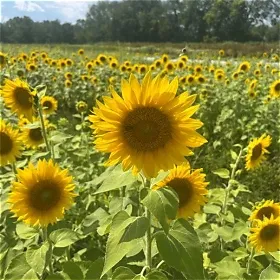
Peredovik has a long history as a sunflower for wildlife food plots, particularly dove fields. Its relatively small black oil seeds provide an attractive food source after maturity, while the standing plants create structure and cover within the plot.
Wildlife agencies recommend black oil sunflower varieties because birds and other wildlife readily consume the energy-rich seed. Peredovik is one of the most established varieties for this purpose.
Excellent for:
- Dove fields
- Quail habitat
- Turkey habitat
- Songbird plantings
- Wildlife food plots
- Hunting properties
- Pollinator plantings
- Warm-season cover crops
Plant a Proven Food Source for Mourning Doves
If the primary goal is attracting doves, Peredovik is one of the most recognizable sunflower choices.
The Missouri Department of Conservation identifies Peredovik as its most common sunflower variety for wildlife plantings and notes that doves, quail, pheasants, turkeys, and numerous songbirds use sunflower fields during late summer, fall, and winter.
Peredovik generally reaches maturity in roughly 90–120 days, depending on growing conditions and the source consulted. This allows growers to time planting so mature seed is available ahead of dove season.
Dove Field Benefits
- Produces highly attractive black oil seed
- Provides standing cover
- Creates a concentrated wildlife food source
- Can be managed to make mature seed accessible to birds
- Excellent addition to dedicated hunting properties
- Attracts multiple game bird species
Important: Wildlife food-plot management associated with hunting must comply with applicable state and federal migratory bird regulations.
Why Choose Peredovik Sunflower Seed?
Black Oil Seed
Peredovik produces small black oil-type sunflower seed. Black oil sunflowers are particularly useful for wildlife because birds and mammals readily consume the oil-rich seed.
Excellent Game Bird Attraction
Doves, quail, turkeys, and other birds readily utilize mature sunflower fields.
Pollinator Friendly
Sunflowers provide flowering habitat for bees and other pollinating insects, adding another ecological benefit before the crop reaches seed maturity.
Strong Taproot
Sunflower develops a prominent taproot with branching lateral roots. Cover-crop guidance notes that sunflower roots can penetrate compacted layers and retrieve nutrients from deeper in the soil profile.
High Biomass Potential
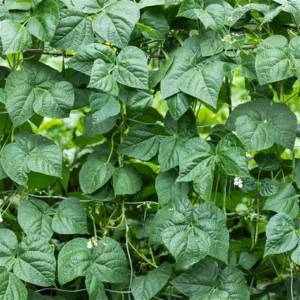
Peredovik produces substantial leafy summer growth, making it useful for adding biomass and broadleaf diversity to warm-season cover crop mixtures.
Warm-Season Growth
Peredovik thrives during warm conditions and is generally planted from late spring into early summer for wildlife and cover crop applications.
More Than Just a Wildlife Sunflower
Although Peredovik is best known for wildlife plantings, it can also fill an important role in warm-season cover crop blends.
Sunflower contributes an upright broadleaf growth habit and deep rooting structure that differs significantly from grasses and legumes. This helps increase both above- and below-ground diversity.
The Southern Cover Crops Council identifies Peredovik as a recommended sunflower variety because of its good biomass, root system, and pollinator benefits.
More Than Just a Wildlife Sunflower
Although Peredovik is best known for wildlife plantings, it can also fill an important role in warm-season cover crop blends.
Sunflower contributes an upright broadleaf growth habit and deep rooting structure that differs significantly from grasses and legumes. This helps increase both above- and below-ground diversity.
The Southern Cover Crops Council identifies Peredovik as a recommended sunflower variety because of its good biomass, root system, and pollinator benefits.
Cover Crop Benefits
- Adds broadleaf diversity
- Produces summer biomass
- Provides a strong taproot
- Supports pollinators
- Helps capture nutrients
- Provides canopy and ground coverage
- Adds wildlife value
- Works well in multi-species blends
Peredovik Sunflower Planting Recommendations
Peredovik should be planted once soils have warmed sufficiently for rapid germination. Sunflowers perform best in full sun and generally prefer well-drained soils rather than persistently wet ground.
General Planting Information
- Crop Type: Warm-season annual broadleaf
- Species: Helianthus annuus
- Seed Type: Black oil sunflower
- Planting Season: Spring to early summer
- Primary Uses: Wildlife, dove fields, cover crops, and pollinators
- Maturity: Approximately 90–120 days
- Sun Requirement: Full sun
- Moisture: Moderate drought tolerance once established
Planting Depth
Recommendations vary somewhat by soil and planting method. A Texas seed supplier recommends approximately ½–¾ inch deep, while broader cover-crop guidance can recommend around 1 inch or slightly deeper.
For West Texas conditions, planting depth should be adjusted to reach adequate moisture without placing the seed unnecessarily deep.
What Does Peredovik Bring to the Field?
Crop Type: Warm-season annual broadleaf
Scientific Name: Helianthus annuus
Seed Type: Black oil sunflower
Primary Uses: Dove fields, wildlife food plots, cover crops, and pollinator habitat
Maturity: Approximately 90–120 days
Typical Height: Common wildlife sources report roughly 4–6 feet, though height varies with environment.
Root System: Strong taproot with lateral branching
Nitrogen Fixation: None
Biomass Production: Good
Pollinator Value: Excellent
Wildlife Value: Excellent
Dove Attraction: Excellent
Season: Warm season
Winter Hardiness: Frost-sensitive annual
What is Peredovik Sunflower?
Peredovik is a black oil-type annual sunflower widely planted for wildlife food plots, dove fields, cover crops, and pollinator habitat.
Is Peredovik Sunflower good for doves?
Yes. Peredovik is one of the classic sunflower varieties used for dove fields because its small black oil seeds are highly attractive to mourning doves and other seed-eating birds.
How long does Peredovik take to mature?
Most guidance puts maturity at approximately 90–120 days, depending on location and growing conditions.
How tall does Peredovik Sunflower grow?
Wildlife-focused sources commonly describe plants around 4–6 feet tall, although fertility, moisture, population, and growing conditions can produce shorter or taller plants.
How much Peredovik Sunflower seed should I plant per acre?
Rates vary by planting method and objective. Wildlife guidance can range from around 10 lb./acre drilled to 25 lb./acre broadcast, while one Texas supplier recommends 25–30 lb./acre for Peredovik. Use a lower component rate when including sunflower in a diverse cover crop blend.
Does Peredovik Sunflower fix nitrogen?
No. Sunflower is not a legume and does not fix atmospheric nitrogen. Its cover-crop value comes instead from biomass, rooting diversity, nutrient scavenging, pollinator support, and wildlife value.
Can Peredovik Sunflower be used in cover crop blends?
Yes. It is particularly useful for adding a deep-rooted broadleaf and flowering species to warm-season mixtures. The Southern Cover Crops Council specifically recommends Peredovik for its biomass, root system, and pollinator value.
Reviews
There are no reviews yet.