Soft, Nutritious Hay for Everyday Feeding
Beardless wheat hay offers many of the same nutritional benefits as traditional wheat hay while eliminating the sharp awns that can irritate an animal’s mouth. Properly harvested beardless wheat provides a highly palatable forage with good digestible fiber and moderate protein levels, making it an excellent option for horses and many classes of livestock.
Ideal for:
- Horses
- Beef cattle
- Dairy cattle
- Sheep
- Goats
- Show livestock
- Hobby farms
Comfortable Feeding with Excellent Palatability
Beardless wheat varieties are grown without the long, sharp seed awns found on conventional wheat. This creates a softer forage that is easier for animals to consume while still supplying quality fiber to support normal rumen and digestive function.
Benefits
- Soft forage with no sharp awns
- Excellent palatability
- Supports healthy digestion
- Encourages consistent feed intake
- Good source of fiber and energy
- Suitable for multiple livestock species
Why Choose Beardless Wheat Hay?
Soft, Awn-Free Forage
Beardless wheat eliminates the sharp awns found on conventional wheat, improving feeding comfort for livestock and horses.
Excellent Horse Hay
A favorite among horse owners because of its soft texture and high palatability.
Highly Digestible Fiber
Provides effective fiber to support healthy digestion and normal rumen function.
Harvested for Quality
Proper harvest timing helps preserve forage quality, leaf retention, and nutritional value.
Versatile Feeding Option
Suitable for horses, cattle, sheep, goats, and many other classes of livestock.
Multiple Bale Sizes Available
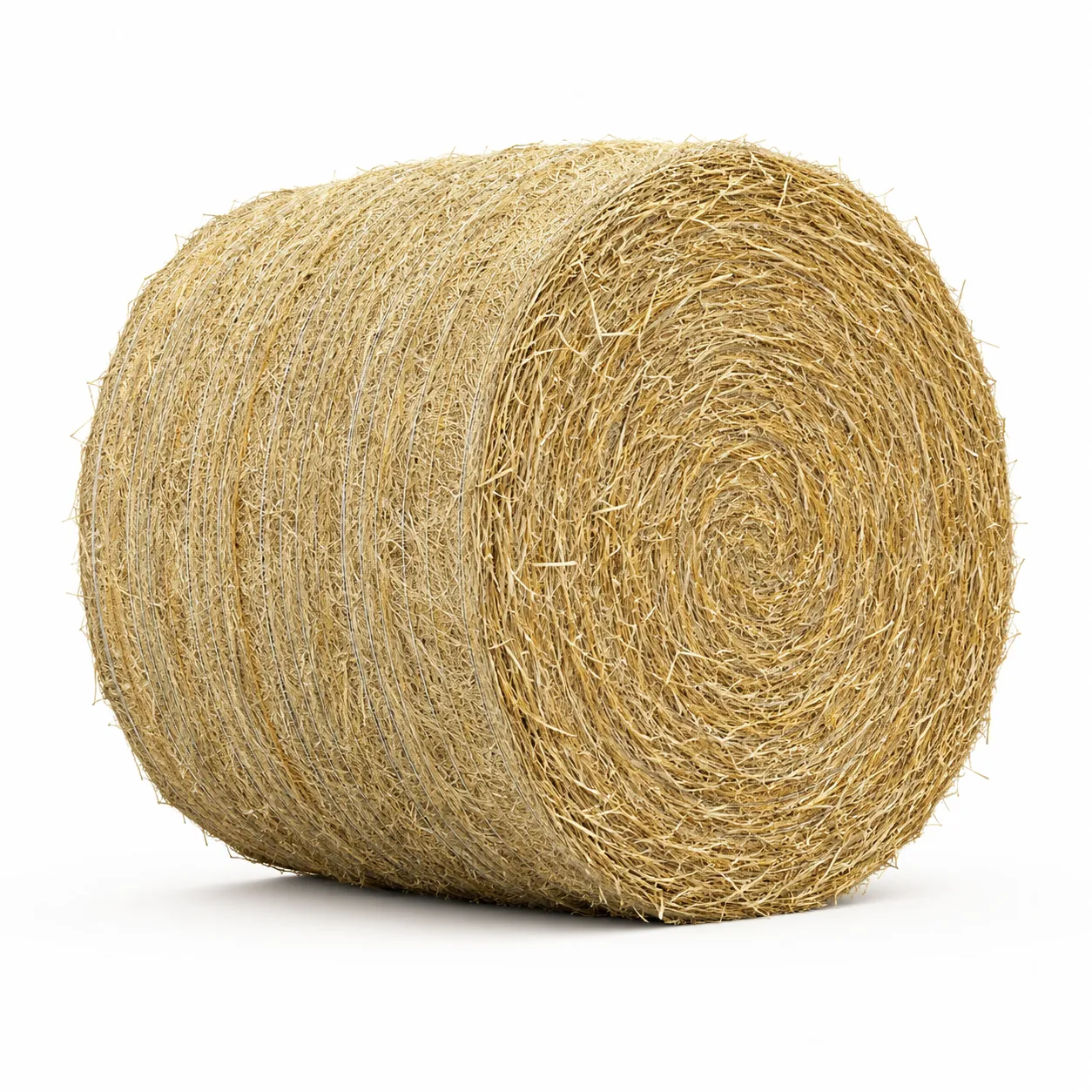
Available in round bales and small square bales, depending on seasonal availability.
Excellent Choice For
- Horses
- Cow-calf operations
- Stocker cattle
- Sheep
- Goats
- Show livestock
- Hobby farms
Beardless wheat hay provides moderate protein, digestible fiber, and energy while offering a softer feeding experience than traditional wheat hay. Nutrient values can vary depending on wheat variety, growing conditions, maturity at harvest, and storage conditions. Testing individual lots is recommended when precise nutrient levels are required for performance animals.
Typical Nutrient Profile*
- Crude Protein: 8–16%
- Total Digestible Nutrients (TDN): 52–60%
- Acid Detergent Fiber (ADF): 30–38%
- Neutral Detergent Fiber (NDF): 50–65%
*Actual forage analysis will vary by harvest, maturity, weather, and storage conditions.
Beardless wheat hay can serve as a primary forage source or be incorporated into a balanced feeding program.
Recommended Feeding
- Feed according to animal size, age, and production stage.
- Introduce gradually when transitioning from another forage source.
- Always provide unlimited fresh, clean water.
- Supplement with minerals or concentrates as needed to meet nutritional requirements.
- Store hay in a dry, covered location to maintain quality.
What is beardless wheat hay?
Beardless wheat hay is forage produced from wheat varieties that do not develop the sharp seed awns found on traditional wheat, resulting in softer, more palatable hay.
Is beardless wheat hay good for horses?
Yes. It is widely used as horse hay because the absence of sharp awns reduces the chance of mouth irritation while providing quality forage and fiber.
Can cattle eat beardless wheat hay?
Yes. Beef and dairy cattle can utilize beardless wheat hay as part of a balanced forage program.
How should beardless wheat hay be stored?
Store hay in a dry, well-ventilated area protected from rain and ground moisture to preserve quality and reduce spoilage.
Reviews
There are no reviews yet.