Built to Produce More Forage
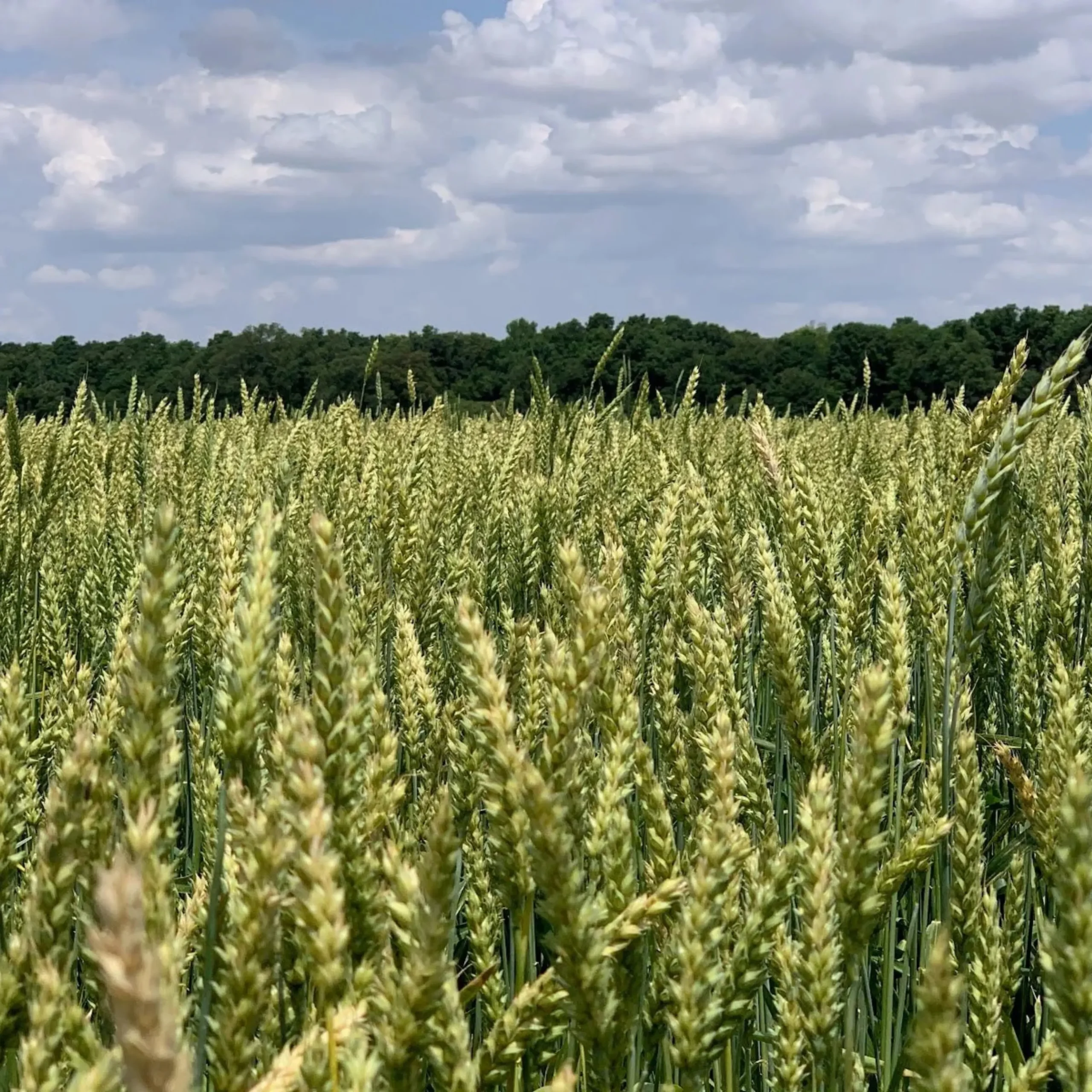
Forage Maxx is designed for producers who want more than grain production from their winter wheat acres. The variety combines a tall plant type with strong tillering capacity, allowing it to develop the vegetative growth needed for productive forage systems. Its official product information lists forage, silage, and grain among its intended uses.
The variety’s awnless head type is particularly attractive when mature forage may be harvested or grazed. For operations focused on cattle forage, this gives Forage Maxx a different fit than traditional awned grain wheat varieties.
Forage Maxx also has medium to medium-fast emergence and excellent winter hardiness, helping establish a productive cool-season stand that can carry through winter and resume growth as conditions improve in the spring.
Flexible Forage, Silage & Grain Production
One of the biggest advantages of Forage Maxx is its flexibility. Rather than being limited to a single end use, it can fit operations looking for winter grazing, harvested forage, silage, straw, or eventual grain production.
Forage Maxx is described as performing across a wide range of soil types and weather conditions, with adaptation across southern and central production regions. Its very good standability and strong straw strength are valuable characteristics for a tall forage-type wheat, particularly when growers intend to produce significant biomass.
Its medium-late maturity can also extend the forage production window compared with earlier-maturing wheat varieties. For livestock operations, that can provide additional flexibility when planning spring forage utilization or harvest.
Agronomic Profile
Crop Type: Winter Wheat
Brand: Forage Maxx
Primary Use: Forage / Silage / Grazing / Grain
Head Type: Awnless / Beardless
Emergence: Medium to Medium-Fast
Maturity: Medium-Late
Plant Height: Tall
Tillering: Strong
Winter Hardiness: Excellent
Standability: Very Good
Straw Strength: Good
Seed Size: Medium
Test Weight: Average
Forage Potential: Excellent
Silage Potential: Excellent
Grain Potential: Good
Leaf Rust: Moderate Resistance
Barley Yellow Dwarf Virus: Moderate Resistance
Septoria Tritici: Moderate Resistance
These characteristics are based on published Forage Maxx product information. Actual performance and disease pressure will vary by location, growing conditions, planting date, and management.
Recommended Planting
Forage Maxx should be managed according to its intended use. Fields intended primarily for grazing or forage production may be planted and managed differently than fields expected to produce a grain crop.
Forage & Grazing Production:
Plant early enough within the locally appropriate wheat window to establish strong vegetative growth before colder winter conditions. Earlier establishment can increase the amount of fall forage available for grazing.
Hay & Silage Production:
Use a productive stand capable of supporting high biomass. Harvest timing should be based on the desired balance between forage tonnage and quality.
Grain Production:
Forage Maxx can also be taken through grain harvest. When grain is the primary objective, use planting dates and populations appropriate for winter wheat grain production in your area.
Seeding Rate:
Published retail guidance lists approximately 2–3 bushels per acre for Forage Maxx, but seeding rate should be adjusted for seed size, germination, planting method, available moisture, and intended use.
Planting Depth:
Generally plant approximately 1–2 inches deep, adjusting as necessary to place seed into adequate moisture and achieve uniform emergence.
Fertility:
Use a current soil test to develop a fertility program. High-forage systems can remove substantial nutrients, so fertility should account for expected biomass production, grazing intensity, or harvested forage.
Forage Maxx Wheat FAQ
Is Forage Maxx a beardless wheat?
Yes. Forage Maxx has an awnless head type, commonly referred to as beardless wheat.
What is Forage Maxx wheat used for?
Forage Maxx can be used for forage, grazing, silage, and grain production, giving livestock and forage producers several options for utilizing the crop.
Is Forage Maxx good for cattle grazing?
Yes. Forage Maxx can be used as a cool-season grazing wheat. Its tall growth and strong tillering are useful characteristics for producers focused on generating forage.
Can Forage Maxx be used for hay?
Yes. Its forage-oriented growth, tall plant height, and awnless head make Forage Maxx an option for harvested wheat forage.
Can Forage Maxx be chopped for silage?
Yes. Silage is specifically listed as one of the intended uses for Forage Maxx.
Can Forage Maxx be harvested for grain?
Yes. Forage Maxx can be carried through to grain production, giving producers another option if they decide not to harvest or graze all of the crop for forage.
How tall does Forage Maxx grow?
Published product specifications classify Forage Maxx as a tall wheat variety. Actual plant height will vary with fertility, moisture, planting date, and growing conditions.
What is the maturity of Forage Maxx?
Forage Maxx is classified as medium-late maturity, which can help provide a longer forage growth window compared with earlier-maturing wheat varieties.
How much Forage Maxx should I plant per acre?
A published retail recommendation lists approximately 2–3 bushels per acre. The final rate should be adjusted for seed size, germination, planting method, moisture availability, and whether the field is intended for forage, grazing, or grain.
Is Forage Maxx winter hardy?
Yes. Published variety specifications rate its winter hardiness as excellent.
Where can I buy Forage Maxx wheat seed?
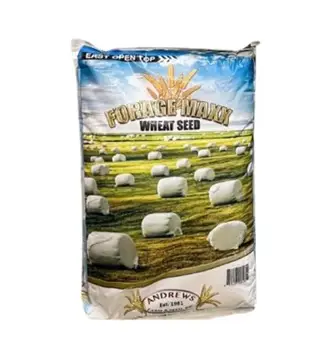
Contact Jack Seed & Supply for Forage Maxx wheat seed availability and help selecting a wheat variety for grazing, hay, silage, or grain production.
Reviews
There are no reviews yet.