Reliable Nutrition Throughout the Year
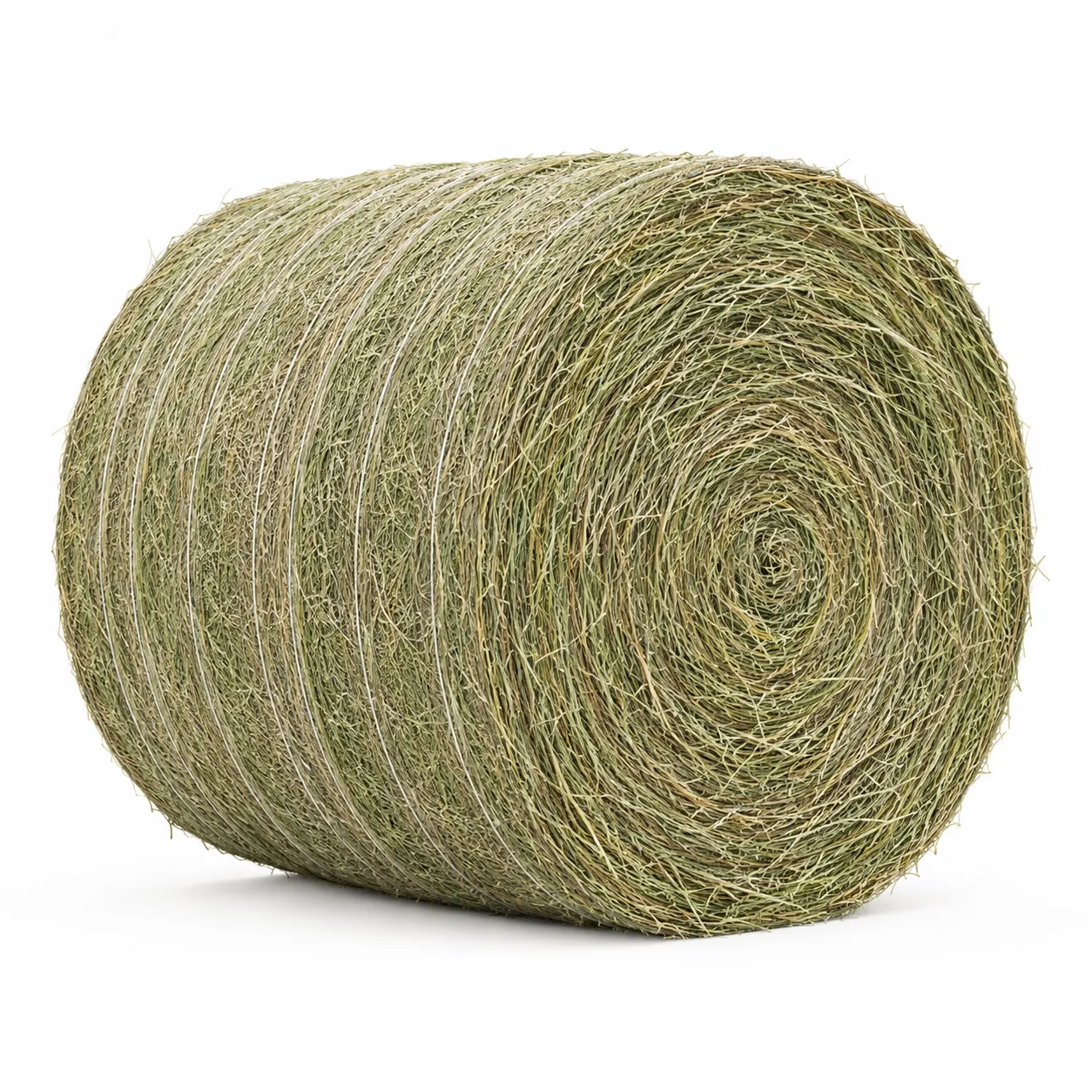
Haygrazer hay is harvested from sorghum-sudangrass hybrids specifically developed for hay production. When cut at the proper stage, it offers a balance of digestible fiber, moderate protein, and energy that supports cattle and many other classes of livestock while producing exceptional forage yields.
Ideal for:
- Beef cattle
- Stocker cattle
- Horses
- Goats
- Sheep
- Show livestock
- Hobby farms
High Yield with Excellent Feeding Value
Haygrazer is known for producing large amounts of forage while maintaining good feed quality. Its leafy growth and soft stems encourage consistent intake, making it a dependable forage option during summer and drought conditions.
Benefits
- High forage production
- Highly palatable
- Supports healthy digestion
- Good source of fiber
- Moderate energy levels
- Excellent drought tolerance
Why Choose Haygrazer Hay?
High-Yield Forage
Produces significantly more forage than many traditional warm-season grasses, making it an economical feeding option.
Drought Tolerant
Performs well under hot, dry growing conditions common throughout West Texas and the Southern Plains.
Highly Palatable
Leafy growth and soft stems encourage livestock to consume forage consistently.
Excellent for Beef Cattle
Provides dependable forage for cow-calf operations, stocker cattle, and backgrounding programs.
Suitable for Horses*
Properly cured Haygrazer hay can be fed to horses. Hay should be fully cured before baling and free of mold or dust. Introduce gradually and work with your veterinarian or equine nutritionist if feeding horses with specialized nutritional needs.
Multiple Bale Sizes Available
Available in large round bales and small square bales, depending on seasonal availability.
Excellent Choice For
- Cow-calf operations
- Stocker cattle
- Backgrounding programs
- Horses
- Sheep
- Goats
- Hobby farms
Haygrazer hay provides moderate protein, digestible fiber, and energy for livestock while offering exceptional forage production. Nutrient levels vary depending on the hybrid, stage of maturity, fertility program, and harvest conditions. For producers balancing rations for high-performance livestock, forage testing is recommended.
Typical Nutrient Profile*
- Crude Protein: 8–16%
- Total Digestible Nutrients (TDN): 52–60%
- Acid Detergent Fiber (ADF): 30–40%
- Neutral Detergent Fiber (NDF): 55–68%
*Actual nutrient values vary by variety, harvest timing, fertility, weather conditions, and storage.
Haygrazer hay can be used as the primary forage source or incorporated into a balanced feeding program.
Recommended Feeding
- Feed according to animal size, production stage, and nutritional requirements.
- Introduce gradually when transitioning from another forage source.
- Always provide unlimited fresh, clean water.
- Supply a balanced mineral program appropriate for your livestock.
- Store hay in a dry, covered location to preserve quality.
- Do not feed hay made from immature or frost-damaged sorghum-sudangrass unless it has been properly managed and tested when necessary, as sorghum-family forages can pose nitrate or prussic acid risks under certain growing conditions.
What is Haygrazer hay?
Haygrazer hay is produced from sorghum-sudangrass hybrids grown specifically for hay production. It is known for high yields, good forage quality, and drought tolerance.
Is Haygrazer hay good for cattle?
Yes. Haygrazer is widely used for beef cattle because it provides quality forage, excellent tonnage, and dependable nutrition throughout the summer and winter feeding seasons.
Can horses eat Haygrazer hay?
Yes, when it has been properly harvested, fully cured, and stored. Horses should only be fed quality hay that is free of mold, dust, and spoilage. As with any sorghum-family forage, proper harvest and management are important.
Why is Haygrazer popular in West Texas?
Its excellent drought tolerance, rapid regrowth, and high forage production make it one of the most dependable forage crops for the hot, dry conditions common across West Texas.
Reviews
There are no reviews yet.