Proven Performance in West Texas & the High Plains
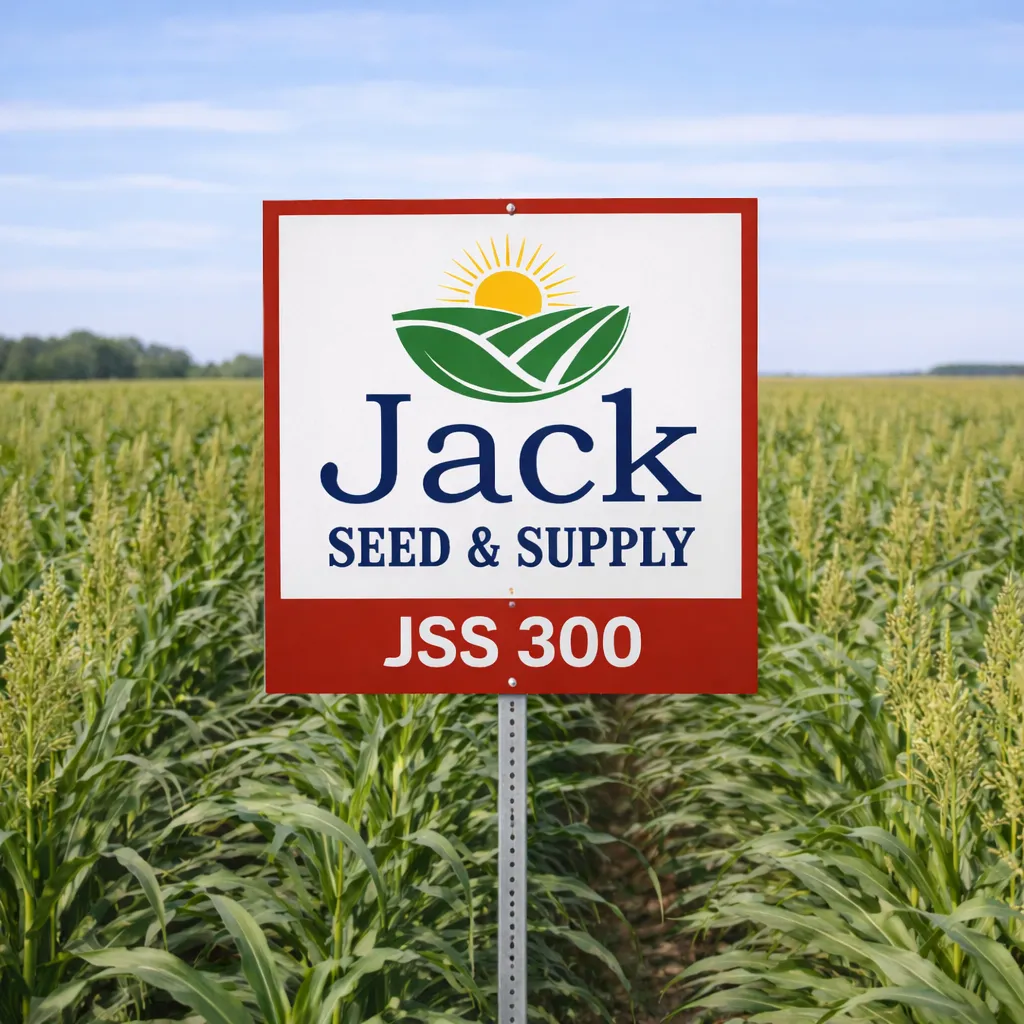
JSS 300 is well-suited for growers in and around Lubbock, where water limitations, heat, and wind demand dependable hybrids.
Best suited for:
- Dryland acres needing stability
- Limited irrigation scenarios
- High heat and low rainfall environments
- Growers looking for consistent performance year after year
Why Choose JSS 300 Sorghum?
Drought Tolerance
Performs reliably in low-moisture environments, making it a strong dryland option.
Strong Standability
Holds up well through wind and late-season stress, reducing lodging risk.
Stable Yield Performance
Delivers consistent results across varying field conditions.
Wide Adaptability
Performs well across different soil types and moisture levels.
Flexible Use
Suitable for both dryland and irrigated production systems.
Is JSS 300 Right for Your Operation?
JSS 300 is a strong fit if you:
- Farm in drought-prone regions
- Need a reliable dryland hybrid
- Want consistent performance year-to-year
- Are looking for a dependable, no-surprises sorghum
- Value standability and harvest efficiency
Grain Sorghum FAQs
Is JSS 300 good for dryland farming?
Yes, JSS 300 is designed to perform well in dryland conditions with strong drought tolerance.
What is the seeding rate for sorghum?
Typically 3–5 lbs per acre depending on conditions and desired population.
When should sorghum be planted in West Texas?
Plant when soil temperatures reach 60°F, usually late spring.
Is sorghum better than corn in drought conditions?
Sorghum generally requires less water than corn and performs better in low rainfall environments.
Reviews
There are no reviews yet.