Proven Forage Performance in West Texas & the High Plains
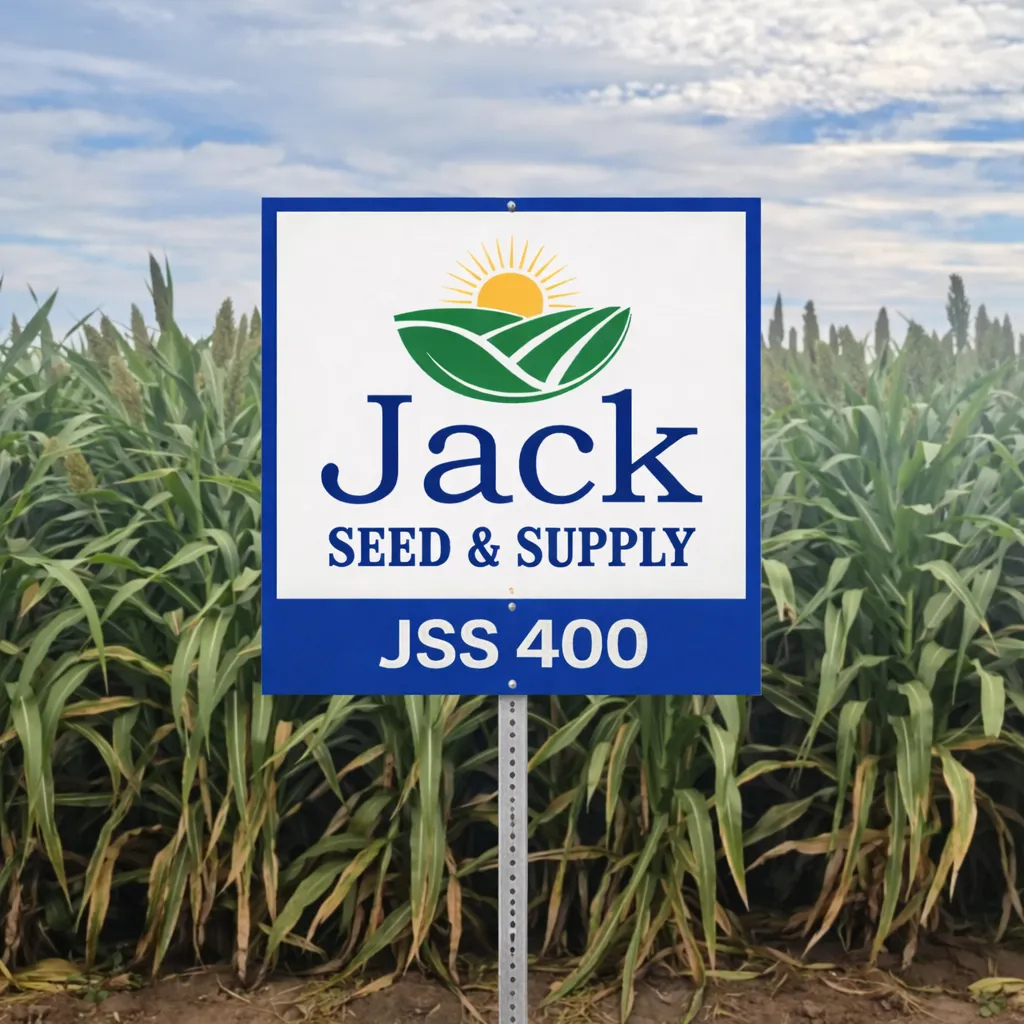
JSS 400 is well-suited for operations in and around Lubbock, where forage production must withstand heat, wind, and limited rainfall.
Best used for:
- Dryland forage production
- Grazing programs with regrowth needs
- Silage production under irrigation
- Drought-prone environments
Why Choose JSS 400 Forage Sorghum?
High Forage Yield
Produces large volumes of biomass for grazing, hay, or silage.
Strong Regrowth
Recovers quickly after grazing or cutting, extending grazing periods.
Drought & Heat Tolerance
Maintains production under stressful summer conditions.
Flexible Use Across Systems
Works effectively in:
- Rotational grazing
- Hay production
- Silage systems
Reliable Standability
Holds up well through wind and late-season stress.
Is JSS 400 Right for Your Operation?
JSS 400 is a strong fit if you:
- Need dependable forage tonnage
- Run grazing cattle programs
- Want a flexible forage crop (hay, grazing, silage)
- Farm in drought-prone regions
- Prefer a consistent, low-risk hybrid
Forage Sorghum FAQs
What is forage sorghum used for?
Forage sorghum is used for grazing, hay, and silage due to its high biomass production.
Is forage sorghum good for dryland farming?
Yes—it’s one of the best forage crops for drought-prone environments like West Texas.
How much forage sorghum should I plant per acre?
Typically 15–30 lbs per acre depending on use.
Does forage sorghum regrow after grazing?
Yes, many varieties like JSS 400 have strong regrowth for multiple grazing cycles.
Reviews
There are no reviews yet.