Nutritious Hay That Livestock Love
Peanut hay offers an excellent combination of digestible fiber, protein, and energy, making it a valuable forage for many livestock operations. Properly harvested peanut hay is especially popular for horses, goats, and beef cattle because of its leafy texture and exceptional palatability.
Ideal for:
- Horses
- Beef cattle
- Dairy cattle
- Sheep
- Goats
- Show livestock
- Hobby farms
Highly Palatable with Excellent Nutritional Value
Peanut hay contains more leaf material than many grass hays, contributing to higher protein levels and improved digestibility. Its soft texture encourages consistent feed intake while supplying the fiber necessary for healthy digestive function.
Benefits
- Naturally higher protein
- Excellent palatability
- Highly digestible fiber
- Soft leafy forage
- Supports digestive health
- Great supplemental forage
Why Choose Peanut Hay?
Premium Legume Hay
Peanut hay provides excellent forage quality with naturally higher protein than many warm-season grass hays.
Excellent Horse Hay
Its soft stems and leafy texture make peanut hay a favorite among many horse owners when fed as part of a balanced diet.
Great for Beef Cattle
Provides quality protein and digestible fiber for cow-calf herds, stockers, and growing cattle.
Outstanding for Goats & Sheep
Highly palatable forage encourages intake while supplying quality nutrition for small ruminants.
Leafy & Nutritious
Higher leaf retention contributes to improved digestibility and feeding value.
Multiple Bale Sizes Available
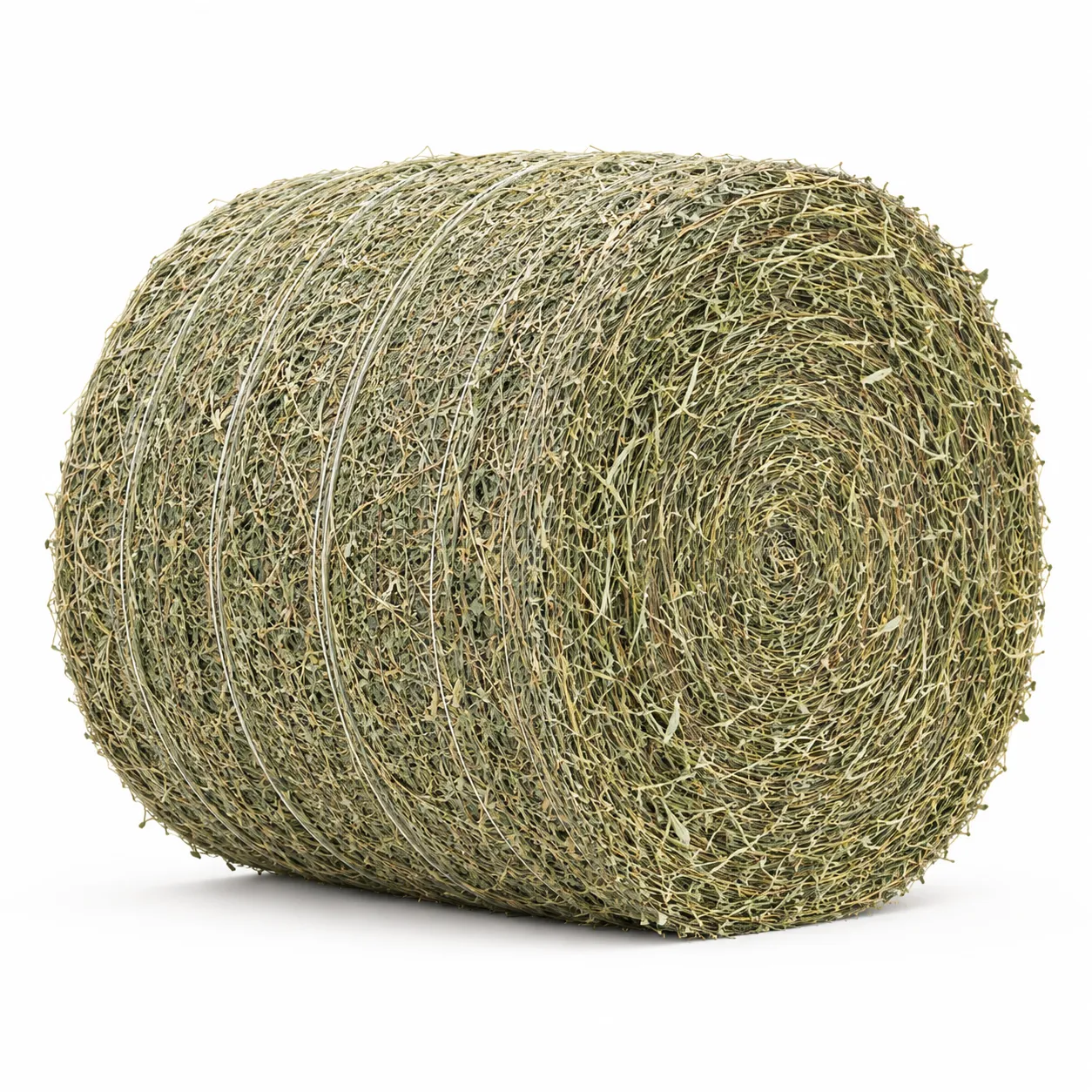
Available in large round bales and small square bales, depending on seasonal availability.
Excellent Choice For
- Horses
- Performance horses
- Cow-calf operations
- Growing cattle
- Sheep
- Goats
- Show livestock
Peanut hay is valued for its combination of digestible fiber, moderate-to-high protein, and good energy content. Nutrient levels vary depending on peanut variety, harvest timing, curing conditions, weather, and the amount of leaf retained during baling. A forage analysis is recommended when feeding performance animals or balancing complete rations.
Typical Nutrient Profile*
- Crude Protein: 12–18%
- Total Digestible Nutrients (TDN): 55–62%
- Acid Detergent Fiber (ADF): 28–35%
- Neutral Detergent Fiber (NDF): 40–55%
*Actual nutrient values vary by harvest conditions, maturity, leaf retention, weather, and storage.
Peanut hay can be fed as a primary forage or used to supplement grass hay in balanced feeding programs.
Recommended Feeding
- Feed according to the animal’s size, age, activity level, and nutritional requirements.
- Introduce gradually when changing forage sources.
- Because peanut hay is generally higher in protein and energy than many grass hays, adjust concentrate feeding as needed.
- Always provide unlimited fresh, clean water.
- Offer a balanced mineral program appropriate for your livestock.
- Store hay in a dry, covered location to maintain forage quality.
What is peanut hay?
Peanut hay is a forage harvested from peanut vines after the peanuts have been removed. It consists of the stems and leaves of the peanut plant and is known for its excellent palatability and nutritional value.
Is peanut hay good for horses?
Yes. Many horse owners feed peanut hay because of its soft texture, leafy composition, and higher protein content. As with any forage, it should be clean, free of mold, and balanced within the overall diet.
Can cattle eat peanut hay?
Absolutely. Peanut hay is commonly fed to beef and dairy cattle as a quality forage that provides digestible fiber, protein, and energy.
What bale sizes are available?
Depending on the season and supply, peanut hay is available in large round bales and small square bales.
Reviews
There are no reviews yet.