Built for Grain and Forage Production
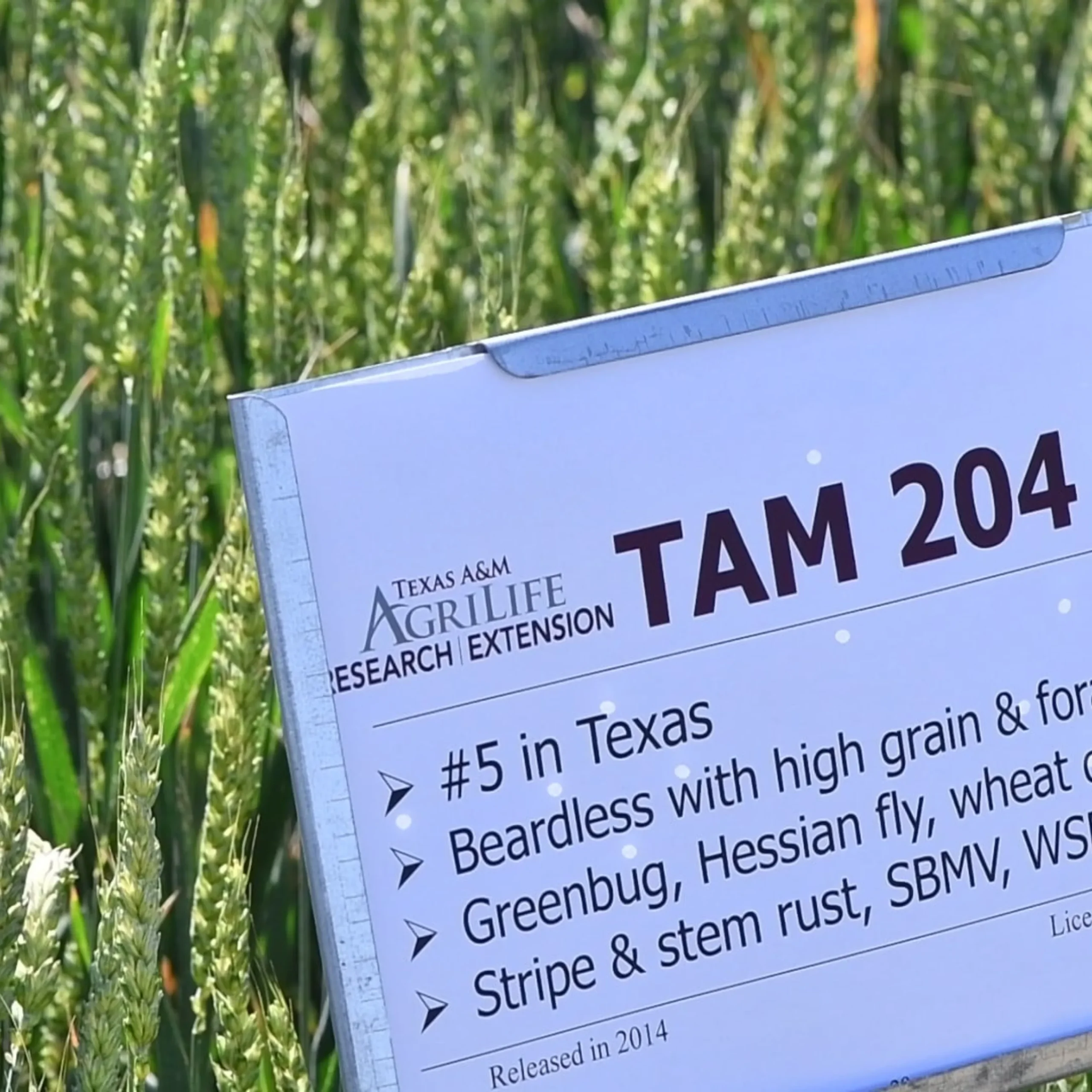
TAM 204 was developed by Texas A&M AgriLife Research as a hard red winter wheat with a strong emphasis on dual-purpose production. This makes it particularly attractive across West Texas, where wheat frequently serves two roles: providing valuable fall and winter forage for cattle and producing a grain crop later in the season.
One of TAM 204’s standout characteristics is its forage production potential. Strong early-season growth can help establish useful grazing when the variety is planted early and managed for a dual-purpose system.
For producers focused primarily on grain, TAM 204 also provides competitive yield potential. This combination gives growers the flexibility to manage individual fields according to moisture availability, livestock needs, commodity prices, and seasonal growing conditions.
A Versatile Fit for High Plains Wheat Acres
Growing wheat in West Texas requires varieties that can perform under dramatically different conditions from one season to the next. TAM 204’s regional adaptation makes it a useful option for growers dealing with variable rainfall, irrigation capacity, temperature swings, and grazing pressure.
TAM 204 can fit irrigated and suitable dryland production, but its strengths are especially valuable in management systems where forage production and grain yield both contribute to the value of the crop.
Its dual-purpose characteristics make TAM 204 particularly attractive for wheat-and-cattle operations. Producers can establish the crop earlier for fall forage, manage grazing through the winter, and remove cattle at the appropriate growth stage when the goal is to carry the crop through for grain.
Agronomic Profile
Crop Type: Hard Red Winter Wheat
Developer: Texas A&M AgriLife Research
Primary Use: Dual-Purpose / Grain / Grazing
Regional Fit: Texas High Plains, West Texas & Southern Great Plains
Water Regime: Irrigated, Limited Irrigation & Suitable Dryland
Maturity: Medium
Plant Height: Medium to Medium-Tall
Straw Strength: Good
Yield Potential: Good to Very Good
Forage Potential: Excellent
Grazing Potential: Excellent
Test Weight: Good
Regional Adaptation: Very Good
Production System: Grain-Only or Dual-Purpose
Disease susceptibility and resistance ratings can change as pathogen populations evolve. Growers should reference current Texas A&M AgriLife variety ratings and scout fields throughout the season rather than relying solely on a variety’s historical disease package.
Recommended Planting
TAM 204 can be managed differently depending on whether the goal is grain production, forage production, or a combination of grazing and grain.
Grain-Only Production:
Plant during the locally recommended wheat planting window. Adjust seeding rate according to available soil moisture, irrigation capacity, seed size, germination percentage, and expected yield potential.
Dual-Purpose / Grazing:
Earlier planting is generally preferred when fall forage production is a priority. Establishing TAM 204 earlier gives the crop additional time to develop the biomass and root system needed to support grazing.
Dual-purpose fields may also benefit from a higher seeding rate than grain-only acres, particularly when significant grazing pressure is expected.
Planting Depth:
A planting depth of approximately 1–2 inches is appropriate under many High Plains conditions. Adjust planting depth to place seed into adequate moisture while avoiding unnecessarily deep placement.
Fertility:
Base fertilizer applications on a current soil test and realistic production goals. Fields intended for grazing may require additional nitrogen to support forage removal compared with grain-only wheat.
Grazing Management:
Avoid excessive grazing pressure, particularly as wheat approaches reproductive growth. Timely removal of livestock is important when maintaining grain yield potential is a priority.
TAM 204 Wheat FAQ
What type of wheat is TAM 204?
TAM 204 is a hard red winter wheat variety developed by Texas A&M AgriLife Research for grain and dual-purpose wheat production.
Is TAM 204 good for West Texas?
Yes. TAM 204 was developed for Texas production and is well suited to High Plains growing conditions, making it an option for wheat producers throughout West Texas.
Is TAM 204 good for grazing?
Yes. Grazing and forage production are among TAM 204’s primary strengths. Its early-season growth makes it particularly attractive for producers who use wheat pasture for cattle.
Can TAM 204 be harvested for grain after grazing?
Yes. TAM 204 can be managed as a dual-purpose wheat where cattle graze the crop during the vegetative stage and the field is subsequently carried through for grain. Proper stocking rates and timely cattle removal are important for protecting grain yield.
Can TAM 204 be planted for grain only?
Yes. TAM 204 does not have to be grazed. It can also be managed strictly for grain production when its agronomic characteristics fit the field and production environment.
Can TAM 204 be grown dryland?
TAM 204 can fit suitable dryland acres, although performance will depend heavily on stored soil moisture and seasonal rainfall. Seeding rate and fertility should be matched to realistic dryland yield expectations.
Is TAM 204 good under irrigation?
Yes. TAM 204 can be used under irrigated production, particularly where producers want strong forage production combined with grain yield potential.
How deep should TAM 204 wheat be planted?
Approximately 1–2 inches is a good target under many conditions. Seed should be placed into adequate moisture whenever possible, with planting depth adjusted according to soil conditions.
When should TAM 204 be planted?
For grain-only production, plant during the normal wheat planting window for your area. If TAM 204 will be used for fall grazing, an earlier planting date is generally needed to provide enough time for forage establishment.
Is TAM 204 better for grain or grazing?
TAM 204’s biggest advantage is its ability to provide both. It is particularly well suited to dual-purpose systems where forage value and grain production are both important to the operation.
Where can I buy TAM 204 wheat seed?
Contact Jack Seed & Supply for TAM 204 wheat seed availability and help comparing TAM 204 with other wheat varieties for your irrigated, dryland, grain, or grazing program.

Reviews
There are no reviews yet.