What to Feed Chickens: A Simple, Practical Guide That Actually Works
Feeding chickens doesn’t have to be complicated. After raising layers for several years, I’ve learned that most people stress way more than they need to. The truth is, if you give your birds a solid feed, let them forage a bit, and keep things consistent, they’ll do just fine.
Here’s the straightforward approach that works for my flock—and will work for any beginner who just wants healthy hens and good eggs.
Start With a Good Commercial Feed
The core of any chicken diet should be a complete feed specifically made for layers. This gives your birds everything they need: protein, vitamins, minerals, and the calcium required to produce good eggs.
I rely on two brands that have always delivered for me:
-
- Martindale Feed Mill
-
- Hi-Pro Feeds
I stick with them because they’re good quality, priced right, and available locally. No need to chase fancy blends or “perfect” formulas—just choose a reliable layer pellet and keep it topped off.
Add Scratch Grain (But Think of It as a Bonus)
If someone brand new to chickens asked me what to feed, my first instinct is honestly to say hen scratch—just because it’s simple and most people recognize it.
But here’s how it really fits into the diet:
-
- Commercial feed is the main feed.
-
- Scratch is something I always keep out as well.
Scratch grain is great for:
-
- Keeping birds active
-
- Encouraging natural scratching and pecking
-
- Adding a little variety
Just don’t rely on it alone—think of it as the side dish, not the main course.
Let Them Free-Range When You Can
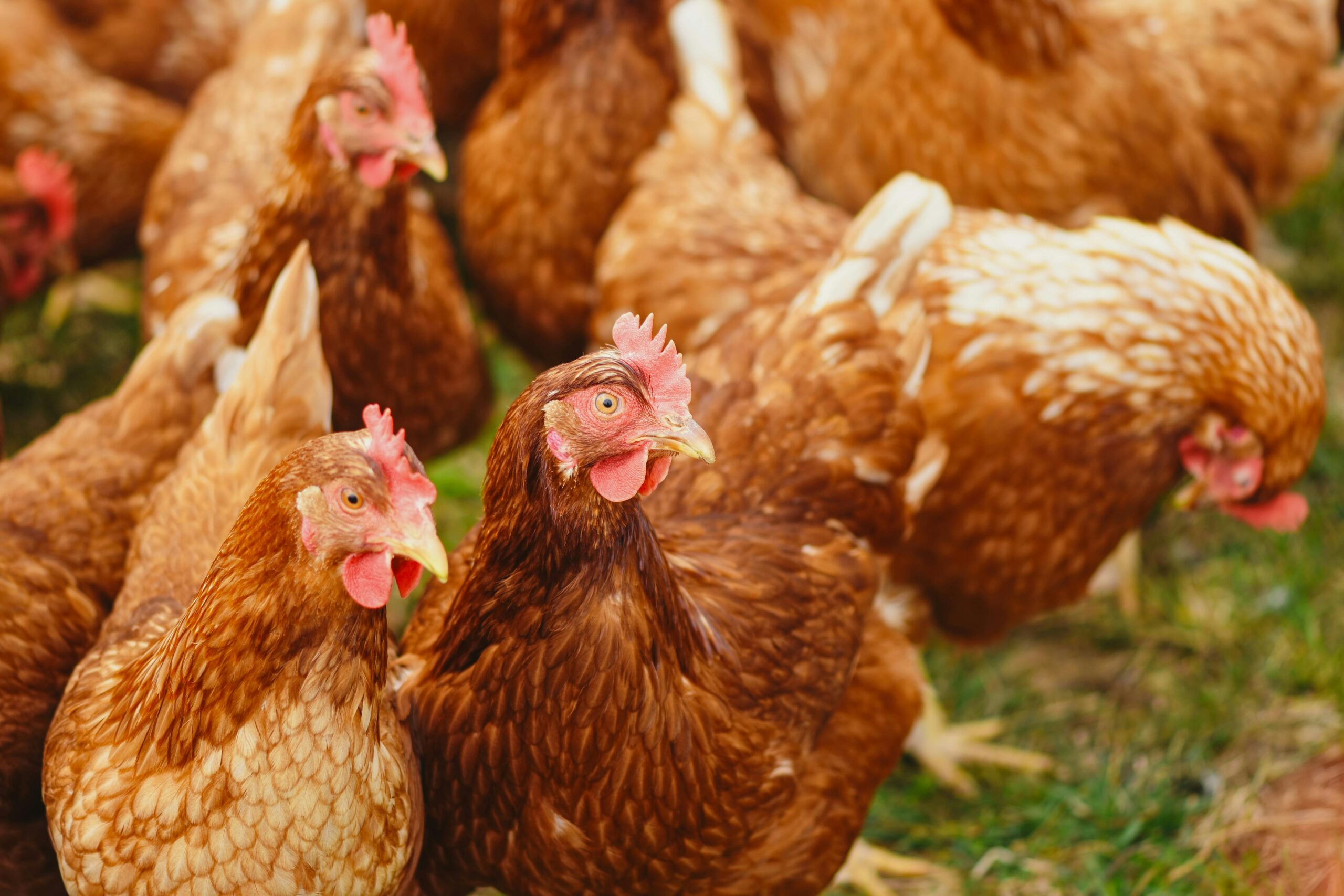
My chickens are part-time free-range, which means they get out when conditions are right but still spend time in the coop or run. Free-ranging helps with:
-
- Insect control
-
- Extra greens and natural forage
-
- Happier, more active birds
Even a few hours makes a difference.
Skip the Extras If You Want—It Still Works
Some chicken owners build an entire routine around treats, kitchen scraps, or oyster shell. You can do that, but you also don’t have to.
Here’s what I do:
-
- Kitchen scraps: I don’t feed them. (You can if you want; it won’t hurt, but it’s not required.)
-
- Treats: I don’t use them.
-
- Oyster shell: I don’t put it out, and I never have.
My hens still lay just fine on a commercial ration + scratch + free-range time. Keeping things basic hasn’t caused any issues, and I think beginners need to know that simplicity is okay.
The Biggest Advice: Don’t Overthink It
There are endless opinions online about feeding chickens—protein percentages, supplements, treat ratios, homemade mixes, fermented feed, and so on. It’s easy to feel like you’re “doing it wrong.”
My experience says otherwise.
If you stick with:
-
- A solid layer feed
-
- Scratch grain on hand
-
- Some time to roam
-
- Clean water
…your birds will be healthy, productive, and low-maintenance.
Don’t chase complicated formulas. Don’t feel pressured to add every supplement under the sun. Just be consistent and use what’s available to you.
Final Thoughts
Feeding chickens should be simple. You don’t need a complicated plan or a stack of expert opinions. With a good feed, a bit of scratch, and room to explore, your flock will thrive.
See if what we offer will work for you here.