
Why Plant Cover Crops? A Practical Guide From Eight Years in the Field
Cover crops have become more popular in the last decade, but for many farmers the question is still the same: “Are they worth the time and money?”
After eight years of working with cover crops across all kinds of operations — row crop farmers, cattle producers, small acreage, and some very large outfits — I can say confidently that they’re one of the simplest ways to protect your land and improve your soil without adding extra work to your plate.
Here’s what we’ve learned firsthand.
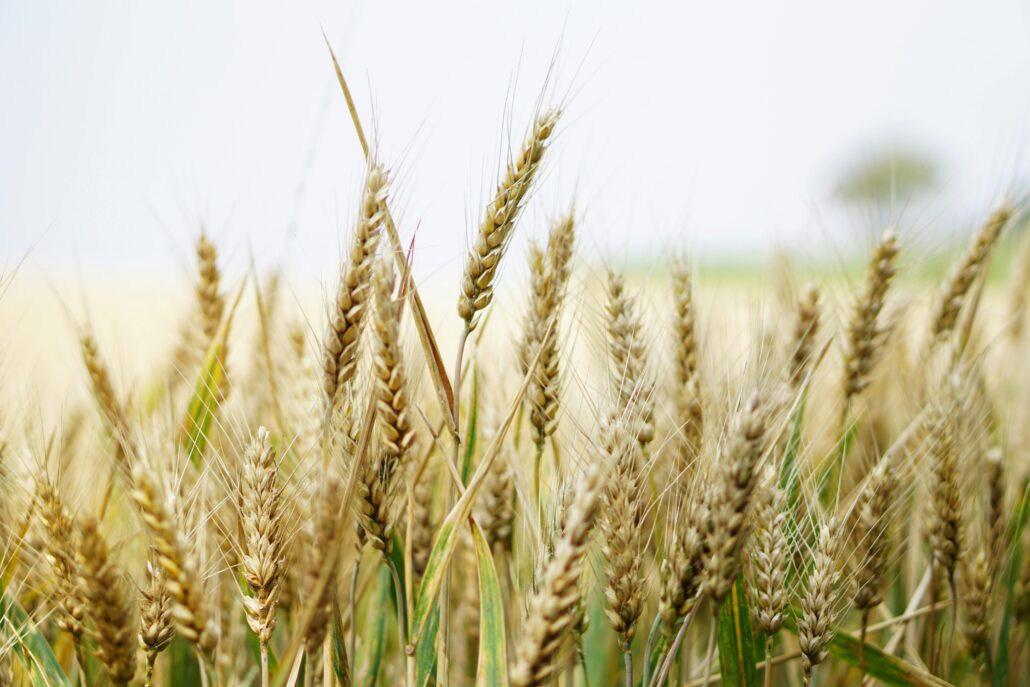
The Most Common Cover Crop We See? Wheat — And For Good Reason
Year after year, the most common cover crop our customers plant is wheat. Part of that is preference, and part of it is simple practicality. Wheat is:
- Easy to get
- Affordable
- Simple to plant
- Reliable
- Effective at covering ground
When someone just needs a basic cover to keep their soil from blowing or washing away, wheat gets the job done every time.
But beyond wheat, we also work with a wide range of species and blends:
- Triticale and rye for strong early growth
- Peas and vetch for nitrogen fixing
- Radishes for soil structure
- Clover for long-term soil health
- Mixed blends when farmers want multiple benefits at once
Your ideal choice depends entirely on your goal.
The Biggest Reason Farmers Plant Cover Crops? Peace of Mind
One of the things farmers appreciate most is surprisingly simple:
You don’t have to babysit a cover crop.
Once it’s planted, it protects your land while you focus on other work. No daily checking, no irrigation, no stress. It keeps your soil in place, adds organic matter, and prepares your field for next year — all while asking almost nothing from you.
Farmers like that they can say, “I don’t have to worry about that field this winter.”
And beyond the low maintenance, cover crops offer real, measurable benefits:
• Better soil structure
Organic matter increases, compaction improves, and the soil becomes more workable over time.
• Nutrient building (especially nitrogen)
Blends with peas, vetch, or clovers help put nitrogen back into the soil for the next crop.
• Weed suppression
A good stand shades out winter weeds without herbicide.
• Erosion control
In windy, dry regions, this alone is worth it.
• Grazing opportunities
For cattle producers, a winter forage blend can pull double duty.
Single-Species vs. Blends: There’s No One “Right” Answer
We don’t push one over the other — your goals should decide the approach.
Choose a Single Species When You Want:
- A simple cover
- Low cost
- Easy drilling
- Reliable soil protection
That’s why wheat is so common.
Choose a Blend When You Want:
- Nitrogen fixing
- More soil nutrients
- Better soil structure
- Multiple benefits at once
Blends with cereals, peas, radishes, and clovers are perfect for rebuilding soil.
See Custom Blending Here
Do Cover Crops Pay for Themselves? Absolutely.
In our experience, they pay in two ways:
1. Your Time
You plant them, and that’s it. No babysitting. No stress.
That time savings alone is valuable.
2. Your Soil
Healthier soil is more productive soil.
More nitrogen, more organic matter, fewer weeds — it all adds up.
Cover crops are one of the few practices where the return often shows up both immediately and long-term.
The Biggest Mistake We See: Planting Too Late
This is the one issue that comes up again and again.
Sometimes harvest delays can’t be helped — cotton doesn’t always cooperate — but planting late makes it tough for cover crops to establish before cold weather.
If you want a strong stand and the full benefits, get them in as early as your schedule allows.
When Are Cover Crops Especially Worth It?
From our experience:
- Any time you’re not putting in a winter crop
- Fields prone to erosion
- Fields needing nitrogen or organic matter
- Operations that want low-maintenance soil protection
- Producers running winter grazing for cattle
And when are they not the best choice?
If a customer’s main winter goal is grazing cattle, we generally recommend a forage grass over a basic cover crop. It simply produces more feed.
Our Go-To Recommendations
For Winter Grazing:
A cereal blend — wheat, triticale, barley.
For Soil Health:
A mixed blend with cereals + radish + clover or vetch.
For Nitrogen Fixing:
A peas + vetch + cereal combination.
For Weed Suppression:
A simple wheat or triticale stand.
For Erosion Control:
Again: wheat. It’s simple and dependable.
We don’t push specific varieties — the “right” choice depends on your goals, timing, and budget.
Final Thoughts: Cover Crops Aren’t Complicated
After eight years working with farmers of all sizes, our biggest takeaway is simple:
Cover crops aren’t complicated — and they work.
Whether you’re protecting your soil, building it up, or looking for low-maintenance ground cover during the off-season, there’s a straightforward option that fits your operation.
Get yours today at Jack Seed and Supply! (view options here)