Cotton Genetics with a Regional Fit
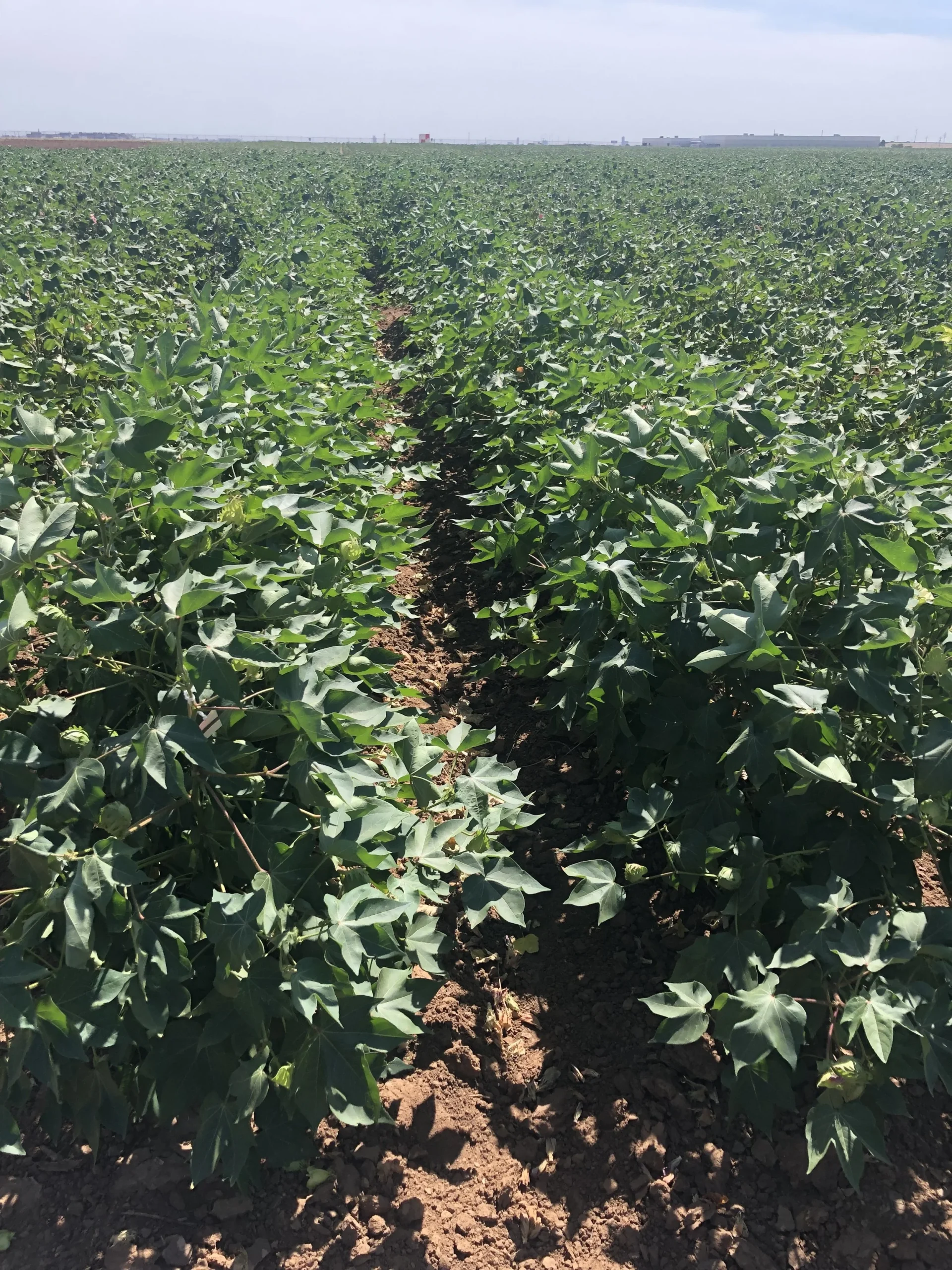
One of the biggest advantages of BSD 598 is simple: it was developed with West Texas production in mind.
Brownfield Seed & Delinting currently lists its primary region as West Texas and the High Plains.
That makes BSD 598 especially relevant for growers around:
- Lubbock
- Brownfield
- Levelland
- Seminole
- Plains
- Denver City
- Littlefield
- Plainview
- West Texas
- Southern High Plains
Rather than relying on genetics primarily developed for a completely different production environment, BSD 598 offers a conventional option with a long history in Texas cotton production.
A Non-Traited Option for Cotton Growers
BSD 598 is a conventional cotton variety, meaning it does not rely on the genetically engineered herbicide- and insect-trait packages found in varieties such as B3XF, AXTP, or W3FE cotton.
That can make BSD 598 particularly interesting for:
- Conventional cotton production
- Organic production systems
- Growers wanting non-traited genetics
- Producers looking to reduce seed costs
- Fields where trait technology is unnecessary
- Specialty cotton markets
Texas A&M AgriLife Organic includes BSD 598 among Brownfield Seed & Delinting varieties available for organic cotton production.
Organic growers should still verify that the specific seed lot, seed treatment, and production practices meet their certifier’s requirements.
Built to Handle Tough Growing Conditions
One of the defining characteristics of BSD 598 is its ability to handle stress. Brownfield Seed & Delinting’s variety guide specifically highlights this characteristic.
That is particularly useful in West Texas, where cotton may encounter:
- Limited rainfall
- High temperatures
- Wind
- Rapid soil-moisture loss
- Limited irrigation capacity
- Periods of drought
- Variable growing conditions
Stress tolerance doesn’t make a cotton variety drought-proof, but it can help provide greater production stability when conditions are less than ideal.
Key Features
West Texas Adaptation
BSD 598 is currently positioned specifically for West Texas and the High Plains.
Stress Tolerance
The variety is recognized for its ability to handle stressful growing conditions.
Excellent Plant Uniformity
Excellent plant uniformity is one of BSD 598’s standout agronomic characteristics.
Medium Maturity
BSD 598 has a medium maturity profile that fits West Texas cotton production.
Indeterminate Growth Habit
Its indeterminate plant type gives the crop the ability to continue producing vegetative and reproductive growth when environmental conditions remain favorable.
Responds to Growth Regulators
BSD 598 responds to plant growth regulators, giving growers another tool for managing its indeterminate growth habit.
Irrigated & Dryland Adaptation
Brownfield Seed’s historical variety information lists BSD 598 for both irrigated and dryland production.
Semi-Tight Boll
The variety carries a semi-tight boll type, providing a balance between boll opening and harvest retention.
Solid Quality from Conventional Genetics
BSD 598 combines its agronomic characteristics with good fiber quality.
Brownfield Seed’s three-year irrigated/dryland averages reported approximately:
Micronaire: 4.2
Strength: 28.8 g/tex
Staple: 1.08 inches
Uniformity: 80.3%
An earlier Brownfield Seed variety summary reported:
Micronaire: 4.0
Length: 1.158 inches
Strength: 32.0 g/tex
Uniformity: 80.95%
Turnout: 33.34%
The differences illustrate why fiber numbers should be treated as environment- and trial-dependent rather than fixed guarantees.
What Does BSD 598 Bring to the Field?
Crop: Upland Cotton
Variety: BSD 598
Type: Conventional Cotton
Region: West Texas & High Plains
Maturity: Medium
Plant Type: Indeterminate
Leaf Type: Smooth in the later Brownfield variety guide; earlier material described it as semi-smooth
Boll Type: Semi-Tight
Adaptation: Irrigated / Dryland
Stress Handling: Strong
Plant Uniformity: Excellent
PGR Response: Responsive
Organic System Fit: Yes, subject to seed lot and certification requirements
Trait Package: Conventional / Non-Traited
Primary Strength: Yield and fiber quality across stressful West Texas production environments
What is BSD 598 Cotton?
BSD 598 is a conventional cotton variety from Brownfield Seed & Delinting developed for West Texas and High Plains production. It is known for stress tolerance, excellent plant uniformity, and strong yield and fiber-quality potential.
Is BSD 598 a conventional cotton variety?
Yes. BSD 598 is conventional, non-traited cotton.
Is BSD 598 good for West Texas?
Yes. Brownfield Seed currently lists West Texas and the High Plains as its primary production region.
Is BSD 598 good for dryland cotton?
Yes. Published Brownfield Seed information lists it for both irrigated and dryland production.
Can BSD 598 be irrigated?
Yes. Its documented adaptation includes irrigated production as well as dryland.
What maturity is BSD 598?
BSD 598 is a medium-maturity cotton variety.
What type of plant is BSD 598?
It has an indeterminate plant type, meaning vegetative and reproductive growth can continue while conditions remain favorable.
Does BSD 598 respond to PGRs?
Yes. Response to growth regulators is specifically identified as one of its characteristics.
Does BSD 598 handle stress well?
Yes. Brownfield Seed identifies stress handling as one of the variety’s primary strengths.
Can BSD 598 be used for organic cotton?
Brownfield Seed describes BSD 598 as fitting organic systems, and Texas A&M AgriLife Organic lists it among conventional varieties available to organic growers. The specific seed lot and treatment still need to meet the grower’s certification requirements.
Does BSD 598 have herbicide tolerance?
It is a conventional variety and does not carry the engineered herbicide-tolerance packages found in varieties such as XtendFlex, Enlist, or Axant Flex cotton.
Does BSD 598 have Bt insect protection?
No. Insect management should be based on regular scouting and treatment thresholds.

Reviews
There are no reviews yet.