Establish Bermuda Without Sprigging
One of Giant Bermudagrass’s biggest advantages is its ability to be established from seed.
Many hybrid bermudagrasses must be planted vegetatively with sprigs. Giant Bermuda produces viable seed, which gives producers a more straightforward establishment option for pasture and hay acreage.
Giant Bermudagrass is an excellent option for:
- Hayfields
- Beef cattle pasture
- Horse pasture
- Grazing systems
- Warm-season forage acreage
- Irrigated forage production
- Seeded bermudagrass establishment
- Large-acreage pasture projects
Vigorous Summer Growth & Rapid Recovery
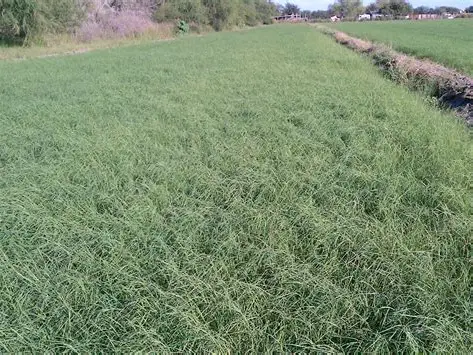
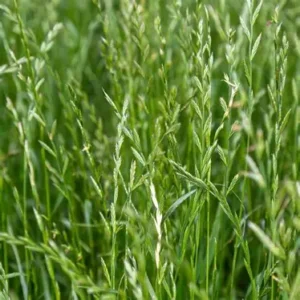
Giant Bermudagrass is well suited to hay production because of its upright forage growth, long leaves, relatively fine stems, and rapid recovery after cutting.
Under good fertility and moisture conditions, it can produce repeated forage growth throughout the warm season.
Hay Production Benefits
- Tall forage growth
- Fine stems
- Long leaves
- Rapid regrowth after cutting
- Multiple harvest potential
- Good livestock palatability
- Productive warm-season forage
- Established perennial stand
Forage quality and tonnage will depend heavily on fertility, water availability, harvest timing, cutting frequency, and maturity.
Productive Warm-Season Pasture
Giant Bermuda can provide strong summer grazing for livestock when properly managed.
Its vigorous growth and recovery after defoliation make it useful for rotational grazing systems where producers want a perennial warm-season forage that can respond quickly after grazing pressure.
Grazing Benefits
- Warm-season perennial forage
- Strong summer production
- Quick recovery
- Good palatability
- Seeded establishment
- Useful for cattle and horses
- Works well under rotational grazing
Avoid continuous overgrazing. Maintaining adequate residual leaf area helps the stand recover and remain productive.
Key Features
Seeded Establishment
Giant Bermudagrass produces viable seed and can be planted directly from seed, making establishment easier than with sprigged hybrid bermudagrasses.
Upright Growth Habit
Giant grows taller and more upright than common bermudagrass, with longer leaves and finer stems that support forage and hay production.
Rapid Summer Recovery
Giant is known for strong warm-season growth and rapid recovery after cutting or grazing.
Strong Hay Potential
Its upright forage growth and ability to recover after harvest make Giant especially useful for hay production.
Good Grazing Value
Giant can provide productive summer forage for properly managed livestock pasture.
Lower-Humidity Adaptation
Giant is particularly useful in lower-humidity growing conditions, making it a strong consideration for drier areas of the Southern Plains.
A Strong Fit for Drier, Lower-Humidity Areas
Giant Bermudagrass can fit well in West Texas because it performs strongly in hot, lower-humidity environments and responds well to irrigation and fertility.
For West Texas producers, Giant Bermuda may fit:
- Irrigated hayfields
- Cattle pasture
- Horse pasture
- Summer grazing systems
- Dedicated warm-season forage acres
- Seeded bermudagrass plantings
Its lower cold tolerance compared with common bermudagrass should still be considered when planting farther north in the High Plains.
Know Where Giant Fits Best
One limitation of Giant Bermudagrass is that it is generally less cold tolerant than common bermudagrass.
This means Giant may perform better in warmer parts of the Southern Plains than in colder northern locations.
Cold Weather Considerations
- Can begin spring growth later than Common Bermuda
- May experience winter injury in colder areas
- Stand persistence can decline after severe winters
- Better suited to milder or more protected locations
For northern parts of the Texas Panhandle or colder areas of the Southern High Plains, winter conditions should be considered carefully before establishment.
Giant Bermudagrass Planting Recommendations
Giant Bermuda should be planted when soils have warmed enough to support rapid germination and establishment.
General Planting Information
- Crop Type: Warm-season perennial grass
- Species: Bermudagrass
- Common Type: NK-37 Giant Bermuda
- Primary Uses: Hay and grazing
- Growth Habit: Upright, spreading perennial
- Planting Season: Spring into early summer
- Soil Temperature: Warm and actively rising
- Sun Requirement: Full sun
- Establishment: Seeded
- Best Soils: Well-drained soils
Warm soil, adequate moisture, and shallow seed placement are all important for establishment.
Match the Rate to the Seed Type & Field Conditions
Giant Bermudagrass seeding rates vary depending on:
- Hulled vs. unhulled seed
- Coated vs. raw seed
- Germination
- Pure live seed
- Drill vs. broadcast
- Soil moisture
- Seedbed quality
- Desired stand density
A practical general range is approximately:
- Pure Stand: 5–10 lb./acre
- Planting Depth: Around ¼ inch
Lower or higher rates may be appropriate depending on the specific seed product.
Contact Jack Seed & Supply for a Giant Bermudagrass seeding recommendation based on your seed lot, acreage, and planting method.
What Does Giant Bermudagrass Bring to the Field?
Crop: Giant Bermudagrass
Common Type: NK-37
Crop Type: Warm-season perennial grass
Primary Uses: Hay and grazing
Establishment: Seeded
Growth Habit: Upright and vigorous
Leaf Type: Long, slender leaves
Stem Type: Fine relative to common bermudagrass
Summer Growth: Excellent
Recovery After Cutting: Excellent
Grazing Value: Good
Hay Value: Excellent
Drought Adaptation: Good once established
Lower-Humidity Adaptation: Good
Cold Tolerance: Lower than Common bermudagrass
Full Sun: Required
Suggested Seeding Range: Approximately 5–10 lb./acre depending on seed type and formulation
What is Giant Bermudagrass?
Giant Bermudagrass is a seeded warm-season perennial grass with a taller, more upright forage growth habit than common bermudagrass.
Is Giant Bermudagrass the same as NK-37?
NK-37 is one of the best-known Giant Bermudagrass types and is commonly marketed as Giant Bermuda.
Is Giant Bermuda good for hay?
Yes. Its upright growth, long leaves, fine stems, and rapid recovery after cutting make hay production one of its strongest uses.
Is Giant Bermuda good for pasture?
Yes. Giant can provide productive warm-season grazing when properly fertilized and managed.
Does Giant Bermuda need to be sprigged?
No. Giant produces viable seed and can be established from seed.
How much Giant Bermudagrass should I plant per acre?
A general range is approximately 5–10 lb./acre, depending on seed type, coating, germination, and planting method.
How deep should Giant Bermudagrass be planted?
Approximately ¼ inch is a practical general planting depth. Bermuda seed should remain shallow.
Is Giant Bermudagrass drought tolerant?
Yes. Giant Bermudagrass has good drought adaptation once established, although forage production will still respond strongly to available moisture.
Is Giant Bermuda cold tolerant?
It is generally less cold tolerant than Common Bermudagrass, so winter conditions should be considered in colder areas.
Is Giant Bermudagrass good for West Texas?
Yes, it can be a strong fit for lower-humidity areas of West Texas, particularly where irrigation and fertility support productive forage growth.
Is Giant Bermuda better than Coastal?
Neither is automatically better. Giant offers seeded establishment, while Coastal is a sprigged hybrid commonly used for high-production hay. The better choice depends on climate, establishment budget, irrigation, and forage goals.

Reviews
There are no reviews yet.