Extend Grazing Beyond the Warm Season
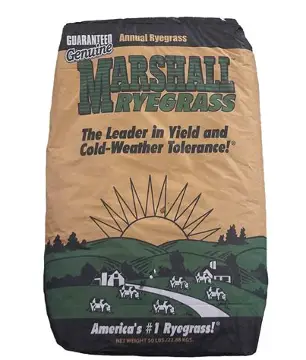
Marshall Annual Ryegrass is primarily grown to provide high-quality forage during the cooler months when bermudagrass and other warm-season pastures are dormant or producing very little growth.
Its ability to establish quickly and produce leafy forage makes it useful for:
- Winter cattle pasture
- Spring grazing
- Stocker cattle
- Cow-calf operations
- Dairy forage
- Sheep and goat pasture
- Hay
- Overseeding
- Cool-season forage mixtures
Rather than relying entirely on stored hay through the cool season, producers can use annual ryegrass to add actively growing forage when conditions allow.
High-Quality Forage Livestock Want to Eat
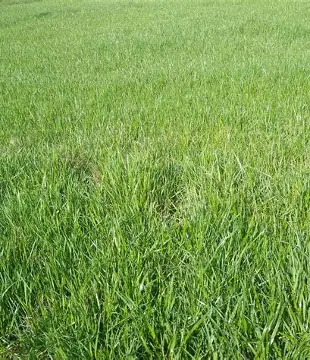
Marshall Annual Ryegrass is highly palatable and can provide excellent nutritional value when maintained in a leafy, vegetative stage.
Grazing Benefits
- Highly palatable
- Leafy forage growth
- Excellent cool-season grazing
- Strong spring production
- Good regrowth after grazing
- Suitable for rotational grazing
- Useful for cattle, sheep, and goats
- Helps extend seasonal forage availability
Marshall can be particularly valuable for stocker cattle and other livestock classes where high-quality forage is important for performance.
Keep Forage Growing Through the Cool Season
Marshall is known for its ability to provide forage during the winter and spring grazing period.
Growth rate will depend heavily on temperature. Production slows during very cold periods but can increase rapidly when temperatures moderate.
Seasonal Growth Pattern
Fall: Establishment and early forage production
Winter: Continued growth during favorable temperatures
Early Spring: Rapid vegetative production
Late Spring: Heading and maturity as temperatures rise
This growth pattern makes Marshall useful for bridging the forage gap between dormant warm-season pasture and spring green-up.
Key Features
Strong Forage Production
Marshall can produce substantial amounts of cool-season forage when adequate fertility and moisture are available.
Excellent Palatability
Livestock readily consume young, leafy ryegrass, making Marshall an excellent grazing forage.
Good Cold Tolerance
Marshall is known for strong winter hardiness among annual ryegrass varieties, helping it persist through colder conditions.
Rapid Establishment
Annual ryegrass germinates and establishes relatively quickly under favorable fall conditions.
Excellent Spring Growth
Marshall produces vigorous growth as temperatures begin warming in late winter and spring.
Strong Regrowth
Properly managed stands can recover after grazing and provide multiple grazing cycles.
Flexible Use
Marshall can be planted alone, overseeded into existing pasture, or included in cool-season forage mixtures.
High-Quality Cool-Season Forage with the Right Management
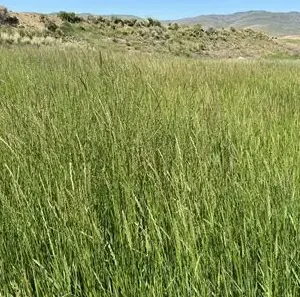
Marshall can be useful in West Texas where producers have adequate fall establishment moisture, irrigation, or dependable seasonal rainfall.
Potential uses include:
- Irrigated winter pasture
- Stocker cattle grazing
- Overseeded bermudagrass
- Cool-season grazing mixtures
- Spring forage production
- Hay or greenchop
- Supplemental livestock pasture
Because West Texas rainfall can be unpredictable, available soil moisture and irrigation capacity should be considered before planting large acreages.
Marshall can produce excellent forage, but it is not a low-water crop when the goal is maximum winter and spring production.
Add Cool-Season Production to Warm-Season Pasture
Annual ryegrass can be overseeded into established bermudagrass after warm-season growth begins slowing in the fall.
This allows producers to use the same acreage for:
- Warm-season Bermuda production
- Winter ryegrass grazing
- Early spring forage
Overseeding Advantages
- Extends pasture utilization
- Adds high-quality winter forage
- Reduces dependence on stored feed
- Makes use of established pasture acreage
- Provides strong spring grazing
Competition should be managed carefully in spring so late-growing ryegrass does not unnecessarily delay bermudagrass green-up.
Establish in Fall for Cool-Season Production
Marshall is generally planted in the fall so plants can establish before colder winter conditions arrive.
General Planting Information
Crop: Annual Ryegrass
Cultivar: Marshall
Scientific Name: Lolium multiflorum
Crop Type: Cool-season annual grass
Primary Uses: Grazing, hay, overseeding, forage mixtures
Planting Season: Fall
Establishment: Seeded
Sun Requirement: Full sun
Planting Method: Drill or broadcast
Planting Depth: Approximately ¼–½ inch
Growth Period: Fall through spring
Planting date should be adjusted to local temperatures, moisture availability, and intended grazing period.
Adjust the Rate for Planting Method
A practical general seeding range for Marshall Annual Ryegrass is:
Drilled
20–30 lb./acre
Broadcast
25–35 lb./acre
In Mixtures
Reduce the ryegrass rate according to the amount of wheat, triticale, oats, rye, clover, or other species included.
Higher rates may be appropriate where rapid ground coverage is especially important.
Final rates should account for:
- Germination
- Seed purity
- Planting method
- Seedbed condition
- Overseeding vs. prepared seedbed
- Mixture composition
- Desired stand density
Good Seed-to-Soil Contact Improves Establishment
Marshall establishes best when seed has good contact with moist soil.
Establishment Tips
- Control existing weeds
- Prepare a firm seedbed
- Avoid planting too deeply
- Drill approximately ¼–½ inch
- Firm broadcast seed into the soil
- Plant when moisture is available
- Irrigate after planting when necessary
When overseeding into existing pasture, reducing excessive residue can improve seed-to-soil contact.
What Does Marshall Bring to the Field?
Crop: Annual Ryegrass
Cultivar: Marshall
Scientific Name: Lolium multiflorum
Crop Type: Cool-season annual grass
Primary Uses: Grazing, hay, overseeding, forage mixtures
Growth Habit: Bunch-type annual grass
Planting Season: Fall
Primary Production Period: Fall through spring
Forage Quality: Excellent when vegetative
Palatability: Excellent
Cold Tolerance: Very Good
Regrowth: Excellent
Spring Production: Excellent
Water Requirement: Moderate
Nitrogen Response: Excellent
Planting Depth: Approximately ¼–½ inch
Drilled Seeding Rate: Approximately 20–30 lb./acre
Broadcast Seeding Rate: Approximately 25–35 lb./acre
Life Cycle: Annual
West Texas Adaptation: Good with adequate moisture
What is Marshall Annual Ryegrass?
Marshall is a cool-season annual ryegrass cultivar used primarily for winter and spring grazing, hay, overseeding, and forage mixtures.
Is Marshall Ryegrass good for cattle?
Yes. Marshall produces highly palatable, high-quality forage and is an excellent option for cattle grazing.
Is Marshall Annual Ryegrass cold tolerant?
Yes. Marshall is particularly valued for its good winter hardiness compared with many annual ryegrass types.
When should Marshall Ryegrass be planted?
Marshall is generally planted during the fall. Exact timing depends on location, soil temperature, rainfall, and intended grazing date.
How much Marshall Ryegrass should I plant per acre?
A general rate is approximately 20–30 lb./acre drilled or 25–35 lb./acre broadcast. Rates should be adjusted for mixtures and planting conditions.
How deep should Marshall Ryegrass be planted?
Approximately ¼–½ inch is a practical planting depth.
Is Marshall Ryegrass a perennial?
No. Marshall is an annual ryegrass and normally completes its life cycle by late spring or early summer.
Can Marshall be planted with wheat or triticale?
Yes. Marshall works well in cool-season forage mixtures with wheat, triticale, oats, cereal rye, and selected legumes.
Can Marshall be overseeded into Bermudagrass?
Yes. Annual ryegrass is commonly overseeded into dormant warm-season pasture to provide winter and spring forage.
Is Marshall good for hay?
Yes. It can make high-quality hay when harvested before excessive maturity and cured properly.
Does Marshall need fertilizer?
For high forage production, Marshall responds strongly to nitrogen. Phosphorus, potassium, and other nutrients should be managed according to soil-test recommendations.
Is Marshall Annual Ryegrass good for West Texas?
Yes, particularly under irrigation or where adequate seasonal moisture is available. Its production potential is much more dependent on moisture than native drought-adapted grasses.

Reviews
There are no reviews yet.