Put Roots & Nitrogen to Work
Sweet Clover stands apart from many other cool-season legumes because of its large, penetrating taproot.
While grasses such as wheat and rye produce dense fibrous root systems near the soil surface, Sweet Clover can explore deeper portions of the soil profile. This makes the two plant types complementary in diverse cover crop mixtures.
Sweet Clover can be used for:
- Cover crops
- Green manure
- Nitrogen fixation
- Soil improvement
- Pollinator habitat
- Forage
- Grazing
- Crop rotations
- Multi-species blends
Grow Nitrogen with a Legume
Sweet Clover is a true legume and can form a symbiotic relationship with rhizobia bacteria to fix atmospheric nitrogen.
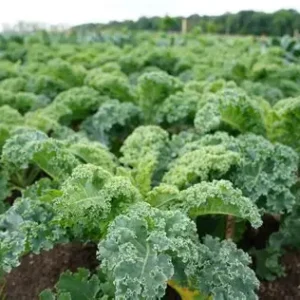
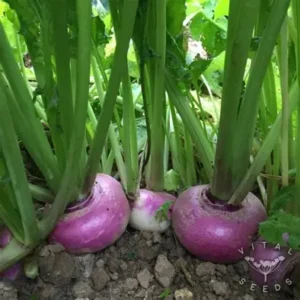
That separates it from brassicas such as turnips, kale, and radish, which can capture existing soil nitrogen but cannot create new biologically fixed nitrogen.
When properly established and nodulated, Sweet Clover can:
- Fix atmospheric nitrogen
- Produce nitrogen-rich plant material
- Improve nutrient cycling
- Add organic matter
- Benefit subsequent crops
- Complement high-carbon cereal residues
The amount of nitrogen ultimately contributed to the following crop varies considerably with stand density, biomass production, termination timing, moisture, and how much plant material is removed through grazing or haying.
More Growth Below the Surface
One of Sweet Clover’s strongest characteristics is its root system.
Established Sweet Clover develops a large taproot with extensive secondary roots, allowing it to explore soil deeper than many annual cover crop species.
Rooting Benefits
- Adds deep-rooted diversity
- Produces substantial below-ground biomass
- Helps improve soil aggregation
- Creates root channels through the soil
- Scavenges nutrients from deeper soil layers
- Adds organic material as roots decompose
- Complements fibrous-rooted grasses
For soil-health mixtures, combining Sweet Clover with small grains can provide both deep taproots and dense fibrous roots in the same planting.
Why Choose Sweet Clover Seed?
Strong Nitrogen Fixation
As a legume, Sweet Clover can contribute biologically fixed nitrogen when properly inoculated and nodulated.
Deep Taproot
Sweet Clover’s large taproot is one of its defining characteristics and makes it particularly interesting for soil-building rotations.
Good Drought Tolerance
Once established, Sweet Clover can tolerate relatively dry conditions better than some clover species, making it worth considering for lower-moisture environments.
Excellent Pollinator Plant
Flowering Sweet Clover can be extremely attractive to honey bees and other pollinating insects.
High Biomass Potential
Established stands can produce substantial above- and below-ground plant material.
Green Manure Value
Its combination of nitrogen-rich biomass and deep roots makes Sweet Clover useful as a green manure crop ahead of subsequent plantings.
Two Common Types of Sweet Clover
Sweet Clover generally falls into two common species.
Yellow Sweet Clover
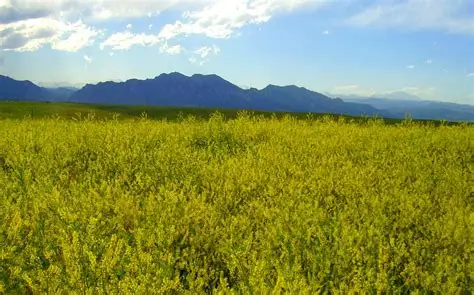
Yellow Sweet Clover (Melilotus officinalis) produces yellow flowers and is widely used for cover cropping, forage, green manure, and pollinator habitat.
It tends to mature somewhat earlier than White Sweet Clover.
White Sweet Clover
White Sweet Clover (Melilotus albus) produces white flowers and can also be used for forage, soil improvement, green manure, and pollinator habitat.
Both types can develop substantial root systems and fix nitrogen.
For your product page, if Jack Seed & Supply carries a specific variety or color, I would change the page to target that exact product rather than leaving it generic.
Sweet Clover Planting Recommendations
Sweet Clover is relatively small seeded and should generally be planted shallow into a firm seedbed.
General Planting Information
Crop Type: Cool-season legume
Genus: Melilotus
Common Types: Yellow and White Sweet Clover
Growth Habit: Annual to biennial depending on type and management
Primary Uses: Cover crop, green manure, pollinators, forage, soil improvement
Planting Method: Drill or broadcast
Planting Depth: Generally about ¼–½ inch
Nitrogen Fixation: Excellent
Root System: Deep taproot
Inoculation: Appropriate inoculation recommended when needed
Avoid planting the small seed excessively deep. A firm seedbed with good seed-to-soil contact is generally more important than trying to place seed deep enough to chase moisture.
What Does Sweet Clover Bring to the Field?
Crop Type: Cool-season legume
Genus: Melilotus
Common Types: Yellow Sweet Clover and White Sweet Clover
Primary Uses: Cover crop, green manure, forage, pollinator habitat, soil improvement
Growth Habit: Upright
Root System: Deep taproot
Nitrogen Fixation: Excellent
Nitrogen Scavenging: Good
Biomass Production: Good to Excellent under favorable conditions
Pollinator Value: Excellent
Drought Tolerance: Good once established
Forage Value: Good with proper management
Soil-Building Value: Excellent
Blend Compatibility: Excellent
Planting Depth: Generally ¼–½ inch
Season: Cool season
What is Sweet Clover?
Sweet Clover is a legume in the Melilotus genus commonly grown for nitrogen fixation, cover crops, forage, green manure, pollinator habitat, and soil improvement.
Does Sweet Clover fix nitrogen?
Yes. Sweet Clover is a legume and can biologically fix atmospheric nitrogen when effectively nodulated.
Is Sweet Clover good for cover crops?
Yes. Its combination of nitrogen fixation, deep rooting, biomass production, and pollinator value makes it a useful cover crop and green manure species.
Is Sweet Clover drought tolerant?
Established Sweet Clover has relatively good drought tolerance because of its extensive root system. However, adequate moisture is still needed for successful establishment.
How deep should Sweet Clover be planted?
Sweet Clover should generally be planted shallow, around ¼–½ inch, with good seed-to-soil contact.
How much Sweet Clover should I plant per acre?
A general pure-stand range is around 10–15 lb./acre drilled and 15–20 lb./acre broadcast. Rates should be reduced when Sweet Clover is included in a multi-species mixture.
Can Sweet Clover be planted with wheat?
Yes. Sweet Clover can complement wheat, rye, triticale, oats, and barley by adding nitrogen fixation and a deep taproot to the fibrous-rooted grass stand.
Is Sweet Clover good for bees?
Yes. Flowering Sweet Clover is highly attractive to honey bees and other pollinating insects.
Can cattle graze Sweet Clover?
Yes, Sweet Clover can be used as forage. Livestock management is important, particularly when Sweet Clover is harvested as hay.
Is moldy Sweet Clover hay dangerous?
Yes. Mold in Sweet Clover hay can convert naturally occurring coumarin into dicoumarol, an anticoagulant that can cause serious bleeding in livestock. Moldy or spoiled Sweet Clover hay should not be fed.
What’s the difference between Yellow and White Sweet Clover?
Yellow and White Sweet Clover are different Melilotus species. Both can provide nitrogen fixation, deep rooting, forage, and pollinator benefits, while Yellow Sweet Clover generally matures somewhat earlier.



Reviews
There are no reviews yet.