Forage Above Ground, Soil Benefits Below
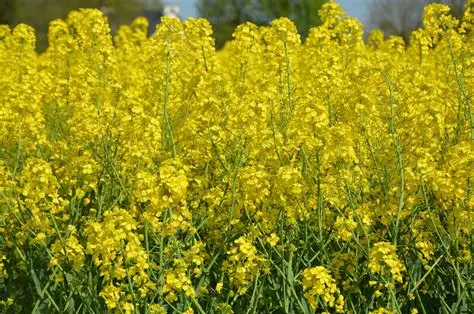
Rape is useful because it can serve both livestock and soil-health goals in the same planting. Above ground, it produces leafy forage suitable for grazing. Below ground, its roots help create channels in the soil, capture available nutrients, and contribute organic matter after termination.
USDA-NRCS describes rapeseed as a fast-growing cool-season brassica that is often included in cover crop mixtures for compaction management, nitrogen scavenging, and improved water infiltration.
Rape Seed is an excellent option for:
- Fall grazing
- Cool-season cover crops
- Soil-building programs
- Nutrient scavenging
- Weed suppression
- Multi-species blends
- Livestock forage
- Crop rotations
Leafy Brassica Forage for Cool-Season Pastures
Forage rape is widely used as a cool-season grazing brassica. Its leafy growth can provide high-quality forage for livestock during periods when warm-season grasses have slowed or gone dormant.
USDA-NRCS includes rape for forage among its annual and alternative grazing resources, alongside turnips and other cool-season forages.
Grazing Benefits
- Produces highly palatable leafy forage
- Adds diversity to small-grain pasture
- Can extend cool-season grazing
- Works well with cattle, sheep, and goats
- Complements fibrous-rooted grasses
- Useful in mixed forage systems
Rape is often most effective when planted with small grains or other forage species rather than used as the entire livestock diet.
Capture Nitrogen Already in the Soil
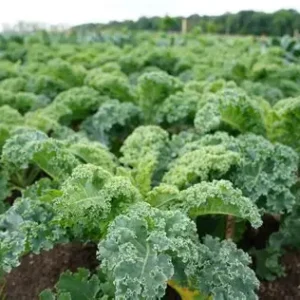
Rape is not a nitrogen-fixing crop. Instead, like radish, kale, and turnips, it acts as a nutrient scavenger.
Its actively growing roots can capture residual nitrogen and other available nutrients that might otherwise remain unused in the soil profile. USDA-NRCS specifically notes rapeseed for its ability to capture residual nitrogen in cover crop systems.
Benefits
- Captures residual nitrogen
- Helps improve nutrient cycling
- Holds nutrients in plant biomass
- Complements nitrogen-fixing legumes
- Helps reduce bare-soil periods
- Adds biological activity to the rotation
Why Choose Forage Rape?
Fast Cool-Season Growth
Rapeseed establishes quickly under favorable cool-season conditions, helping provide early ground coverage and forage.
Strong Grazing Value
Rape is commonly used as a forage brassica for grazing livestock.
Nitrogen Scavenging
Captures existing soil nitrogen rather than fixing new atmospheric nitrogen.
Compaction Management
Its root system can help break up compacted surface layers and create more pore space.
Water Infiltration
NRCS specifically identifies rapeseed as useful for improving water infiltration.
Excellent Blend Partner
Works well with grasses, legumes, and other brassicas in multi-species cool-season plantings.
Add a Brassica to High Plains Cool-Season Mixes
For West Texas producers, rape can add a leafy brassica component to fall forage and soil-health plantings.
Potential blend partners include:
- Wheat
- Triticale
- Cereal Rye
- Oats
- Barley
- Winter Peas
- Hairy Vetch
- Red Clover
- Radish
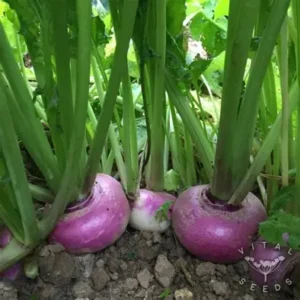
- Purple Top Turnips
- Kale
Because soils, rainfall, and winter conditions vary across West Texas, planting rates and stand expectations should be adjusted to local conditions rather than relying on one universal recommendation. NRCS likewise emphasizes that cover crop selection and management should be adapted to local soils, climate, and resource concerns.
Rape Seed Planting Recommendations
Rape has relatively small seed and should generally be planted shallow into a firm seedbed with good seed-to-soil contact.
General Planting Information
- Crop Type: Cool-season brassica
- Primary Uses: Grazing, cover crops, nutrient scavenging, soil improvement
- Planting Season: Late summer through fall
- Planting Method: Drill or broadcast
- Growth Habit: Upright leafy brassica
- Nitrogen Fixation: None
- Nitrogen Scavenging: Good
- Best Fit: Cool-season forage and cover crop mixtures
Seeding Rate
Published seeding rates vary considerably by variety, planting method, and whether rape is planted alone or in a mixture.
A common starting range is:
- Pure Stand: approximately 4–8 lb./acre
- Blend Component: often reduced substantially from full rate
Because brassicas can become competitive in a mix, rates should be lowered when combining rape with cereal grains, legumes, or other brassicas.
Contact Jack Seed & Supply for a Rape Seed planting recommendation based on your acreage, planting method, and intended use.
What Does Rape Bring to the Field?
Crop Type: Cool-season brassica
Primary Uses: Grazing, cover crop, nutrient scavenging, soil improvement
Growth Rate: Fast
Nitrogen Fixation: None
Nitrogen Scavenging: Good
Compaction Management: Good
Water Infiltration Benefit: Good
Grazing Value: Very Good
Weed Suppression: Good
Blend Compatibility: Excellent
Season: Cool season
Best Fit: Multi-species forage and cover crop blends
USDA-NRCS describes rapeseed as a fast-growing brassica useful for compaction management, nitrogen capture, and improved water infiltration.
What is Rape Seed?
Rape Seed is the seed of a cool-season brassica used for forage, grazing, cover crops, nutrient scavenging, and soil improvement.
Is Rape Seed good for cattle?
Yes. Forage rape is commonly used as a cool-season grazing brassica for cattle and other livestock.
Does Rape Seed fix nitrogen?
No. Rape is a brassica, not a legume. It captures residual nitrogen already present in the soil rather than fixing atmospheric nitrogen.
Is Rape Seed good for cover crops?
Yes. USDA-NRCS identifies rapeseed as useful for compaction management, nitrogen scavenging, and improving water infiltration.
Can Rape Seed be planted with wheat?
Yes. Rape works well with wheat and other small grains because the cereal contributes fibrous roots and forage while rape adds a leafy brassica and different root structure.
How much Rape Seed should I plant per acre?
A general pure-stand range is approximately 4–8 lb./acre, with lower rates used in blends. Local conditions, variety, and planting method should determine the final rate.
Can sheep and goats graze rape?
Yes, forage rape can be used in properly managed sheep and goat grazing systems. It should still be introduced gradually and fed as part of a balanced forage diet.
Is rape the same as canola?
They are closely related. Canola was developed from rapeseed types through breeding for specific seed-quality standards, while forage rape is typically selected and managed more for vegetative forage and cover crop production than for harvested oilseed.

Reviews
There are no reviews yet.