More Height & Forage Than Shortgrass Species
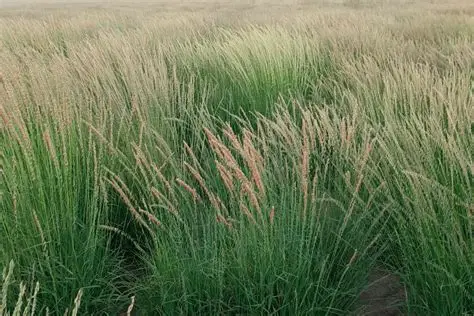
Sideoats Grama is generally classified as a midgrass, putting it between shorter species such as Buffalograss and Blue Grama and taller prairie grasses such as Big Bluestem.
Plants commonly reach around 2–4 feet tall, depending on genetics, rainfall, soil, and management.
That additional growth gives Sideoats Grama good value for:
- Native pasture
- Livestock grazing
- Prairie restoration
- Rangeland
- Wildlife habitat
- Conservation projects
- Reclamation
- Erosion control
It is particularly useful when landowners want native grass persistence while maintaining more forage production than a pure shortgrass stand.
Quality Native Forage for Livestock
Sideoats Grama can produce abundant forage on suitable range sites and provides moderate to high-quality feed for grazing livestock.
Its forage value makes it one of the more useful native grasses for cattle operations where the goal is to combine grazing with long-term native pasture health.
Grazing Benefits
- Good cattle forage
- Useful for multiple grazing livestock species
- Productive native midgrass
- Good warm-season growth
- Long-term perennial stand
- Strong fit in mixed native range
- Useful under rotational or continuous grazing
- Maintains value in low-input systems
Sideoats Grama can tolerate grazing, but long-term productivity improves when enough residual forage is maintained.
Well Suited to Southern Plains Conditions
Sideoats Grama is naturally distributed across a broad portion of North America and is well adapted to the Great Plains.
It is particularly useful on well-drained upland soils, including many sites common across West Texas and the Southern High Plains.
Potential regional uses include:
- Native cattle pasture
- Ranchland
- Reclamation acres
- Erosion-control projects
- Wildlife habitat
- Native grass mixtures
- Prairie restoration
- Conservation plantings
Its combination of forage production, drought tolerance, and native adaptation makes it especially useful where long-term persistence matters more than maximum irrigated forage yield.
Key Features
Native Warm-Season Perennial
Sideoats Grama is a native perennial grass adapted to warm-season growth throughout the Great Plains.
Good Forage Production
It can produce substantial forage for a native grass, especially on productive range sites.
Moderate to High Grazing Quality
Sideoats Grama provides useful forage for cattle and other grazing livestock.
Distinctive Seed Heads
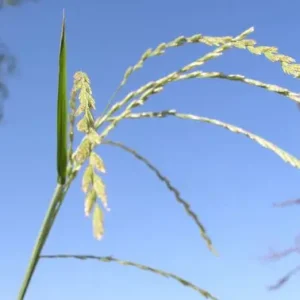
Its oat-like seed spikes hang primarily from one side of the stem, giving the grass its common name.
Broad Soil Adaptation
Sideoats Grama grows well on many fine- to medium-textured, well-drained soils.
Strong Drought Adaptation
Once established, it is well suited to periodic drought and lower-input production systems.
Wildlife Value
It provides nesting and escape cover for upland birds and other wildlife.
Excellent Blend Compatibility
Sideoats Grama works well with shorter and taller native grasses in diverse prairie mixtures.
Best on Well-Drained Upland Ground
Sideoats Grama is adapted to a relatively broad range of soils.
It performs especially well on:
- Loams
- Clay loams
- Fine-textured prairie soils
- Medium-textured soils
- Rocky uplands
- Limestone-influenced soils
- Well-drained slopes and ridges
It is generally less suited to:
- Persistently wet ground
- Loose deep sands
- Extremely dense clay
- Poorly drained low areas
Good drainage is one of the most important site-selection considerations.
Native Persistence Through Dry Conditions
Sideoats Grama has strong drought adaptation and is capable of persisting through the variable rainfall typical of the Southern Plains.
Drought-Adaptation Benefits
- Good dryland persistence
- Reduced irrigation requirement
- Strong native adaptation
- Lower input requirements
- Useful during variable rainfall years
- Long-term perennial cover
Like other native grasses, forage production will decrease during prolonged drought even when the stand survives.
Its value is persistence under stress, not immunity to moisture limitations.
Plant Shallow into a Firm Seedbed
Sideoats Grama should be established with careful seed placement.
General Planting Information
- Crop Type: Warm-season perennial native grass
- Scientific Name: Bouteloua curtipendula
- Primary Uses: Grazing, native pasture, reclamation, wildlife habitat
- Growth Habit: Bunchgrass with short rhizomes
- Planting Method: Native grass drill or broadcast
- Planting Depth: Approximately ⅛–¼ inch
- Sun Requirement: Full sun
- Best Site: Well-drained soil
A native grass drill is generally preferred because it provides better seed placement and control.
Calculate Seed on a Pure Live Seed Basis
Sideoats Grama rates can vary substantially depending on:
- Cultivar
- Seed purity
- Germination
- Pure live seed
- Drill vs. broadcast
- Whether planted alone or in a mixture
A practical general pure-stand range is:
- Drilled: approximately 5–10 lb. PLS/acre
- Broadcast: increase the drilled rate to compensate for less precise placement
In native mixtures, the Sideoats Grama portion should be reduced according to the number and competitiveness of the companion species.
Use the current seed tag and Jack Seed & Supply’s recommendation for the exact seed lot and mixture being planted.
What Does Sideoats Grama Bring to the Field?
Crop: Sideoats Grama
Scientific Name: Bouteloua curtipendula
Crop Type: Warm-season perennial native grass
Growth Habit: Bunchgrass with short rhizomes
Typical Height: Approximately 2–4 feet
Primary Uses: Grazing, native pasture, rangeland, reclamation, wildlife habitat
Forage Value: Moderate to High
Grazing Value: Very Good
Wildlife Value: Good
Drought Tolerance: Good to Very Good
Heat Tolerance: Excellent
Water Requirement: Low to Moderate
Shade Tolerance: Low
Wet Soil Tolerance: Low
Preferred Soils: Fine- to medium-textured, well-drained soils
Planting Depth: Approximately ⅛–¼ inch
Establishment: Seeded
Life Cycle: Perennial
West Texas Adaptation: Very Good
What is Sideoats Grama?
Sideoats Grama is a native warm-season perennial midgrass used for grazing, native pasture, wildlife habitat, reclamation, and erosion control.
Why is it called Sideoats Grama?
Its small oat-like seed spikes hang primarily along one side of the seed stem.
Is Sideoats Grama good for cattle?
Yes. It provides moderate to high-quality forage for grazing livestock.
Is Sideoats Grama good for West Texas?
Yes. It is well adapted to much of the Great Plains and works well on suitable well-drained West Texas soils.
Is Sideoats Grama drought tolerant?
Yes. It has good drought tolerance once established and is well suited to dryland native pasture systems.
How tall does Sideoats Grama grow?
Typically around 2–4 feet, depending on environment and genetics.
How deep should Sideoats Grama be planted?
Approximately ⅛–¼ inch deep. Shallow planting is important.
How much Sideoats Grama should I plant per acre?
A general pure-stand range is approximately 5–10 lb. PLS/acre, depending on seed quality and planting method. Lower rates are used when it is included in a native mixture.
Can Sideoats Grama be planted with Blue Grama?
Yes. They work well together, with Sideoats adding more height and forage while Blue Grama adds shortgrass drought persistence.
Can cattle graze Sideoats Grama the first year?
It is generally better to avoid first-year grazing so plants can establish strong roots.
Is Sideoats Grama good for wildlife?
Yes. It provides useful nesting and escape cover for upland game birds and other wildlife.
Is Sideoats Grama native?
Yes. It is native across a large portion of North America.

Reviews
There are no reviews yet.