Multiple Grasses for Sandy Ground
The blend contains:
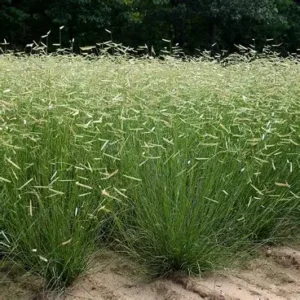
29% Blue Grama
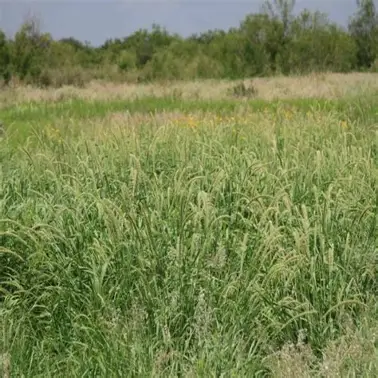
21% Green Sprangletop
20% Plains Bristlegrass
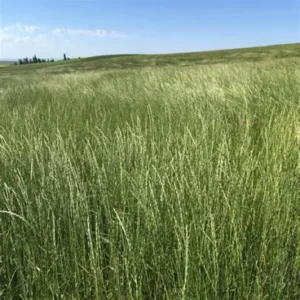
15% Sideoats Grama
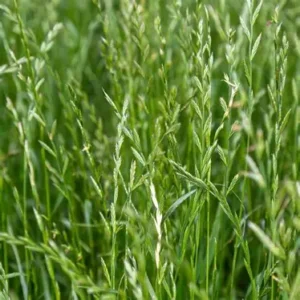
6% Sand Dropseed
These listed components total 91% of the blend. The remaining 9% was not specified, so the current seed tag should be used for the complete formulation.
What Each Grass Contributes
Blue Grama adds exceptional drought tolerance, shortgrass persistence, and dependable grazing value.
Green Sprangletop contributes upright bunchgrass growth, forage value, and strong Southwestern adaptation.
Plains Bristlegrass adds warm-season forage, bunchgrass structure, and adaptation to sandy and drought-prone soils.
Sideoats Grama contributes greater height, additional forage production, and strong native pasture value.
Sand Dropseed is especially useful on sandy soils and helps strengthen the blend’s fit for lighter-textured ground.
Match the Grass to the Ground
Sandy soils can present a different set of challenges than heavier loams and clays.
They often have:
- Lower water-holding capacity
- Faster drainage
- Greater drought stress
- Lower nutrient-holding capacity
- Higher risk of wind erosion
- Greater surface drying
Sandy Land Blend combines grasses capable of persisting under these conditions rather than relying on a single species.
That makes it especially useful for:
- Sandy ranchland
- Former cropland
- Native pasture
- Reclamation
- Conservation acreage
- Erosion-prone sites
- Dryland grazing
- Lighter-textured West Texas soils
Key Features
Designed for Sandy Ground
The blend includes multiple grasses specifically suited to lower water-holding capacity and fast-draining soils.
Excellent Drought Tolerance
Blue Grama, Sand Dropseed, Green Sprangletop, Plains Bristlegrass, and Sideoats Grama all contribute drought-adapted perennial growth.
Good Grazing Potential
Several species in the mixture provide useful warm-season forage for livestock.
Multiple Growth Habits
Shortgrass, midgrass, and bunchgrass species create greater structural diversity.
Strong Reclamation Value
The mix can help establish long-term perennial cover on disturbed or erosion-prone sandy ground.
West Texas Adaptation
The listed species are well matched to hot, dry Southern Plains conditions.
Lower-Input Potential
Once established, the blend can provide perennial ground cover without the management intensity of irrigated improved pasture.
Diverse Warm-Season Grazing
Sandy Land Blend can be used to establish perennial cattle pasture where drought persistence and sandy-soil adaptation are important.
Grazing Benefits
- Multiple forage species
- Warm-season production
- Good drought persistence
- Perennial pasture
- Adaptation to sandy ground
- Useful forage diversity
- Suitable for rotational grazing
Different species may be preferred by livestock at different stages of growth, so grazing management should prevent repeated overuse of the most palatable grasses.
Built for Dry, Light-Textured Soils
West Texas sandy ground can be difficult to manage because it may lose moisture quickly and be more vulnerable to wind erosion.
This blend is especially useful for:
- Sandy ranchland
- South Plains acreage
- Dryland pasture
- Former cultivated fields
- Conservation projects
- Pipeline and construction reclamation
- Wildlife acreage
- Erosion-prone sites
Its mixture of drought-adapted grasses helps create a more resilient stand than relying on one species alone.
Establish During Warm-Season Conditions
The blend consists primarily of warm-season perennial grasses and should be planted when soils are warm and establishment moisture is available.
General Planting Information
Crop Type: Warm-season perennial grass mixture
Primary Uses: Pasture, reclamation, erosion control, conservation
Planting Season: Spring into early summer
Sun Requirement: Full sun
Growth Habits: Shortgrass, midgrass, and bunchgrass
Drought Tolerance: Excellent
Water Requirement: Low once established
Planting Method: Native grass drill or broadcast
Planting Depth: Approximately ⅛–¼ inch
A native grass drill is generally preferred because many of the included grasses have small seed that should not be planted deeply.
Use the Current Seed Tag for the Final Rate
Because the listed composition accounts for 91% of the mixture, I would not publish a precise whole-blend pounds-per-acre rate until the remaining 9% and current Pure Live Seed analysis are known.
Final Rate Should Consider:
- Complete blend composition
- Pure Live Seed
- Germination percentage
- Seed purity
- Drill vs. broadcast
- Soil moisture
- Seedbed condition
- Desired pasture density
Use the current bag tag and Jack Seed & Supply’s recommendation for the exact seed lot being planted.
What’s in the Blend?
Blue Grama: 29%
Green Sprangletop: 21%
Plains Bristlegrass: 20%
Sideoats Grama: 15%
Sand Dropseed: 6%
Other Components: 9% not specified
Crop Type: Warm-season perennial grass mixture
Primary Uses: Sandy pasture, reclamation, erosion control, conservation
Growth Structure: Shortgrass, midgrass, and bunchgrass mixture
Drought Tolerance: Excellent
Heat Tolerance: Excellent
Water Requirement: Low
Soil Fit: Sandy to lighter-textured, well-drained soils
Primary Growing Season: Warm season
Sun Requirement: Full sun
Planting Depth: Approximately ⅛–¼ inch
Life Cycle: Perennial for the listed components
West Texas Adaptation: Excellent
What is in Sandy Land Blend?
The specified composition contains 29% Blue Grama, 21% Green Sprangletop, 20% Plains Bristlegrass, 15% Sideoats Grama, and 6% Sand Dropseed. Check the current seed tag for the remaining 9%.
Is Sandy Land Blend good for sandy soil?
Yes. The blend is specifically built around grasses that can perform on lighter-textured, drought-prone soils.
Is it good for cattle?
Yes. Multiple species in the blend provide useful warm-season grazing forage.
Is it a native grass blend?
Most listed components are native grasses. The complete formulation should be checked before describing the entire blend as 100% native.
Is Sandy Land Blend drought tolerant?
Yes. Excellent drought tolerance is one of its primary strengths.
Is it good for West Texas?
Yes. The mixture is well suited to hot, dry Southern Plains conditions, especially where sandy soils are present.
Can it be planted on dryland acres?
Yes. Dryland pasture and reclamation are strong potential uses, although rainfall will determine establishment and forage production.
When should I plant it?
Spring into early summer is generally best once soils are warm and establishment moisture is available.
How deep should I plant it?
Approximately ⅛–¼ inch. Avoid deep placement.
How much should I plant per acre?
Use the current bag tag and recommended rate for the complete blend. The composition provided only accounts for 91% of the mixture, so a precise whole-blend rate should not be published yet.
Is it better than the Pasture Grass Blend?
It depends on the soil. Sandy Land Blend is more specifically tailored to sandy and lighter-textured ground, while the Pasture Grass Blend is a broader general-purpose pasture mixture.


Reviews
There are no reviews yet.