One Grass with Multiple Uses
Sahara II was developed as a multi-purpose seeded bermudagrass, giving growers a versatile perennial grass that can be used across both agricultural and maintained settings.
Its combination of quick establishment, dense sod development, forage production, and durability makes Sahara II suitable for:
- Pastures
- Hayfields
- Grazing
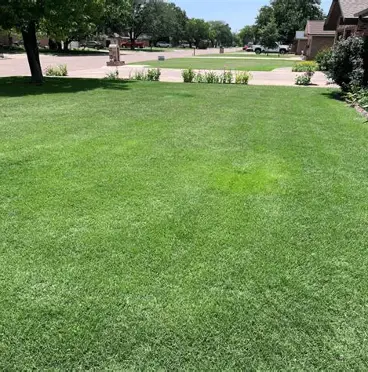
- Landscape areas
- Recreational areas
- Erosion control
- Large-acreage ground cover
Pennington specifically identifies pasture, hayfields, landscape, recreational areas, and vegetative erosion control among Sahara II’s intended uses.
Build a Productive Warm-Season Pasture
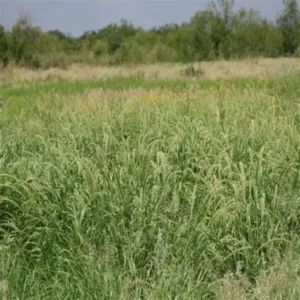
Sahara II can provide perennial warm-season forage during the portion of the year when bermudagrass is actively growing.
Its dense, spreading growth habit allows established stands to form a durable sod capable of handling livestock traffic and grazing.
Pasture Benefits
- Productive warm-season growth
- Good grazing potential
- Thick sod formation
- Excellent durability
- Good wear characteristics
- Perennial production
- Good heat tolerance
- Good drought tolerance
- Recovers through spreading growth
Once established, proper fertility, grazing height, and stocking pressure become important for maintaining both forage production and stand density.
Consistent Warm-Season Forage Production
Sahara II was developed not only for ground coverage but also for consistent forage yield, making hayfields one of its primary agricultural uses.
Bermudagrass can respond strongly to fertility and moisture, allowing growers to manage established fields for repeated forage harvests during the warm growing season.
Hay Production Benefits
- Consistent forage yield
- Multiple harvest potential
- Rapid warm-season growth
- Good regrowth under proper management
- Perennial stand
- Dense forage production
- Suitable for baled hay
Forage quality will depend heavily on cutting maturity, fertility, moisture, and harvest interval. Younger bermudagrass generally provides greater nutritive value than mature, stemmier forage.
What Does Sahara II Bring to the Field?
Crop: Bermudagrass
Variety: Sahara II
Crop Type: Warm-season perennial grass
Establishment: Seeded
Primary Uses: Pasture, hay, landscape, recreation, erosion control
Establishment Speed: Quick
Coverage: Quick
Heat Tolerance: Good
Drought Tolerance: Good
Forage Yield: Consistently high potential
Growth Habit: Dense, sod-forming
Durability: Excellent
Wear Characteristics: Excellent
Sun Requirement: Full sun
Planting Depth: Approximately ⅛ inch
New Forage Stand Rate: 15 lb./acre according to current Pennington guidance
Existing Stand Rate: 8–12 lb./acre
Planting Season: Late spring through early summer once soils are warm
Life Cycle: Perennial
Sahara II’s combination of forage production and dense sod development makes it particularly versatile compared with grasses bred solely for either turf or forage.
Warm-Season Perennial Grass for High Plains Conditions
Sahara II’s heat tolerance, drought tolerance, seeded establishment, and full-sun growth make it worth considering for warm-season grass plantings across West Texas.
Jack Seed & Supply currently lists Sahara II among its forage grass options and identifies its quick establishment, heat and drought tolerance, consistent forage yield, and thick sod development as key characteristics.
Potential West Texas uses include:
- Cattle pasture
- Horse pasture
- Hayfields
- Irrigated forage
- Large-acreage ground cover
- Recreational areas
- Erosion control
For the Southern High Plains, establishment timing and available moisture are particularly important. Seed should not be planted simply because the calendar says spring—the soil needs to be warm enough for bermudagrass germination.
Start with Warm Soil & a Firm Seedbed
Sahara II is a warm-season grass and should be planted after soil temperatures have warmed sufficiently.
Pennington recommends planting in late spring once soil temperatures reach at least 65°F at a 4-inch depth through early summer.
General Planting Information
Crop Type: Warm-season perennial grass
Species: Bermudagrass
Growth Habit: Spreading, sod-forming perennial
Primary Uses: Pasture, hay, landscape, recreation, erosion control
Planting Season: Late spring through early summer
Minimum Soil Temperature: Approximately 65°F at 4-inch depth
Planting Depth: Approximately ⅛ inch
Sun Requirement: Full sun
Establishment: Seeded
Planting Depth
Approximately ⅛ inch
Bermudagrass seed is small and should not be buried deeply. Pennington recommends a planting depth of approximately ⅛ inch.
Match the Rate to the Intended Use
Pennington’s current Sahara II forage guidance recommends:
New Forage Stands
15 lb./acre drilled or broadcast
Thickening Existing Stands
8–12 lb./acre
Maintained Areas
40–80 lb./acre, or approximately 1–2 lb./1,000 sq. ft.
Rates can vary among seed formulations and suppliers, so the current bag label and product formulation should take priority when determining how many pounds to plant.
Contact Jack Seed & Supply for a Sahara II planting recommendation based on your acreage and intended use.
What is Sahara II Bermudagrass?
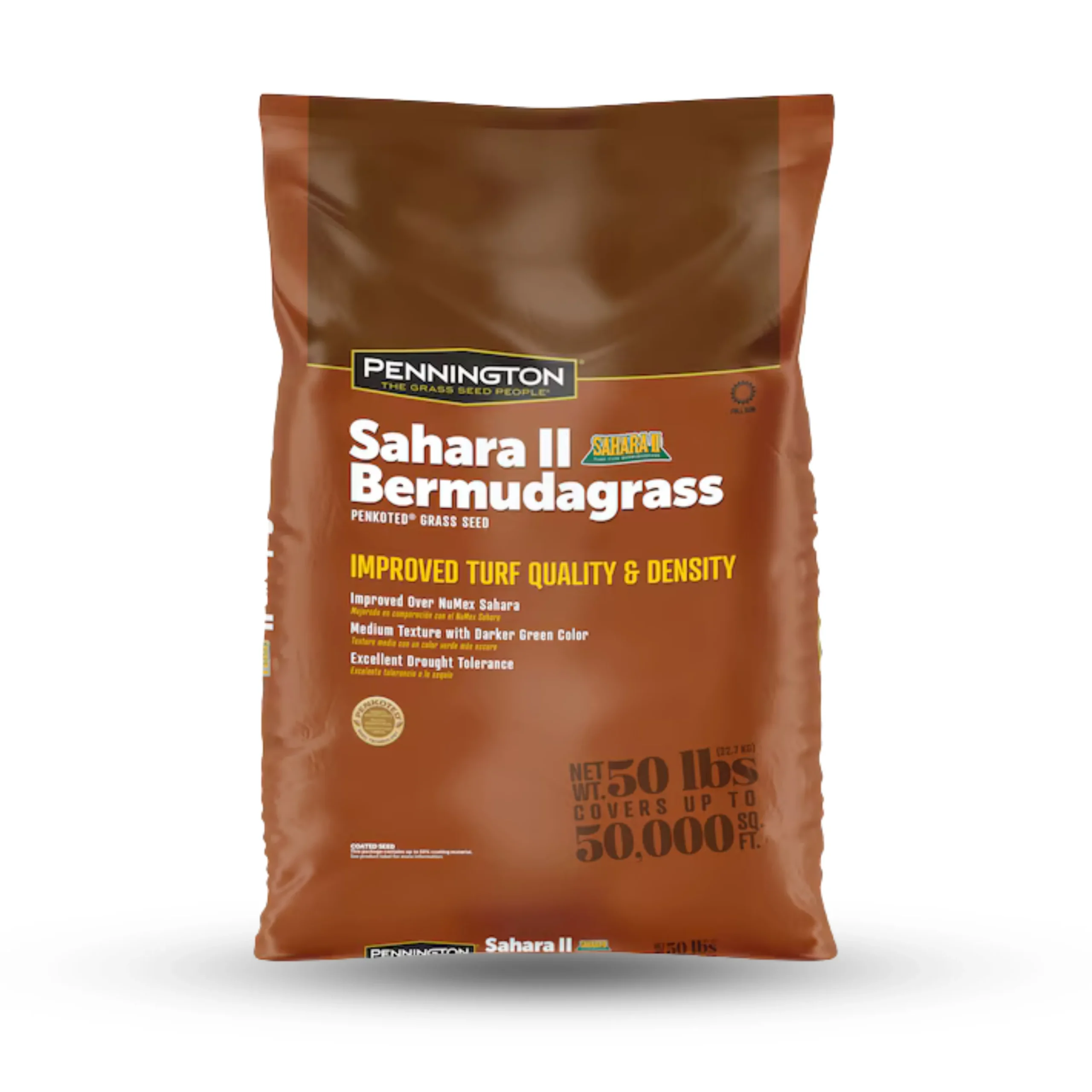
Sahara II is a multi-purpose seeded bermudagrass developed for quick establishment, good heat and drought tolerance, consistent forage yield, and dense sod development.
Is Sahara II good for pasture?
Yes. Pasture is one of Sahara II’s primary intended uses. Its dense sod, durability, forage production, and warm-season growth make it suitable for properly managed grazing systems.
Is Sahara II good for hay?
Yes. Sahara II is specifically recommended for hayfields and was developed for consistent forage yield.
Is Sahara II drought tolerant?
Yes. Sahara II is characterized as having good heat and drought tolerance.
Is Sahara II a perennial?
Yes. Bermudagrass is a warm-season perennial. It actively grows during warm weather and goes dormant following cold temperatures.
Does Sahara II need to be sprigged?
No. One of Sahara II’s primary advantages is that it is a seeded bermudagrass.
How much Sahara II should I plant per acre?
Pennington currently recommends 15 lb./acre drilled or broadcast for new forage stands and 8–12 lb./acre for thickening existing stands.
How deep should Sahara II be planted?
Approximately ⅛ inch deep. Bermudagrass seed is small and should not be planted excessively deep.
When should I plant Sahara II?
Plant in late spring through early summer once soil temperatures reach approximately 65°F or higher at a 4-inch depth.
Does Sahara II need full sun?
Yes. Sahara II performs best in full sun and is not a good choice for heavily shaded areas.
Can Sahara II be used for erosion control?
Yes. Vegetative erosion control is one of the specifically listed uses for Sahara II.

Reviews
There are no reviews yet.