Native Grass Built for the High Plains
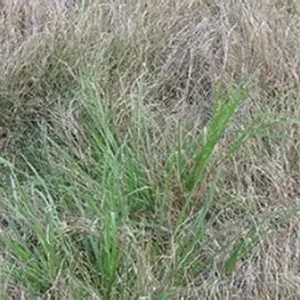
Blue Grama is one of the signature grasses of the Great Plains shortgrass prairie.
It naturally occurs across western Texas, eastern New Mexico, western Oklahoma, Kansas, Colorado, and much of the central and western Great Plains.
In Texas, Blue Grama is found across several ecological regions, including:
- High Plains
- Rolling Plains
- Trans-Pecos
- Edwards Plateau
- Cross Timbers
- South Texas Plains
That natural distribution makes it especially relevant for producers and landowners wanting a grass already adapted to the region’s climate.
Quality Native Forage for Livestock
Blue Grama provides good grazing for livestock and wildlife and is an important component of native shortgrass rangeland.
Its leaves remain relatively palatable during active growth, and the plant can also provide useful cured forage after dormancy.
Grazing Benefits
- Good cattle forage
- Useful for sheep and other grazing livestock
- Native adaptation
- Good forage quality during active growth
- Drought persistence
- Low-input management
- Works well in mixed native range
- Provides long-term perennial cover
Blue Grama should be managed as native rangeland, not like an intensively fertilized introduced forage grass.
Built to Survive Dry Years
One of Blue Grama’s defining traits is its ability to survive extreme drought.
Its extensive root system and low-growing habit allow the plant to conserve moisture and persist through dry periods that can severely stress more moisture-demanding grasses.
Drought Adaptation Benefits
- Excellent survival under limited rainfall
- Low irrigation requirement
- Strong persistence during dry years
- Good fit for dryland acreage
- Reduced input requirements
- Well suited to West Texas
Available moisture still affects forage production. Blue Grama may survive severe drought but produce less forage during extremely dry conditions.
Key Features
Native Shortgrass Species
Blue Grama is a native warm-season grass that plays a major role in the shortgrass prairie ecosystem.
Excellent Drought Tolerance
Blue Grama can survive extreme drought and is one of the most dependable native grasses for dry Great Plains environments.
Good Grazing Value
It provides good-quality forage for livestock and wildlife during active growth.
Extensive Root System
Blue Grama develops a prolific root system that helps it persist through drought and contributes to soil stabilization.
Low-Input Management
Established native stands generally require little fertilizer or irrigation compared with introduced pasture grasses.
Short Growth Habit
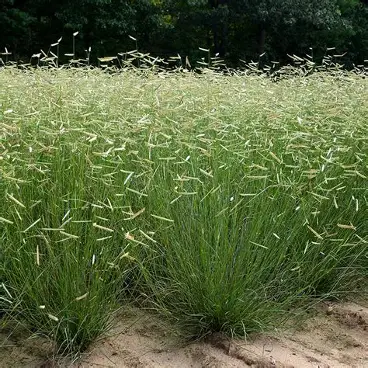
Most plants remain relatively short, typically under about 2 feet tall.
Distinctive Seed Head
Blue Grama produces curved, comb-like seed heads often described as looking like eyebrows or eyelashes.
Strong Regional Adaptation
It is naturally adapted to the High Plains, Rolling Plains, and Trans-Pecos regions of Texas.
One of the Most Naturally Adapted Grasses for the Region
Blue Grama is particularly well suited to West Texas because it occurs naturally in the High Plains and Trans-Pecos.
It is adapted to:
- Hot summers
- Low rainfall
- Cold winters
- Wind
- Periodic drought
- Full sun
- Low-input management
Potential West Texas uses include:
- Native pasture
- Ranchland
- Reclamation
- Wildlife habitat
- Roadside plantings
- Erosion control
- Low-maintenance landscapes
- Native grass mixtures
For dryland acres where long-term persistence matters more than maximum forage tonnage, Blue Grama can be an excellent fit.
Plant Shallow for Better Establishment
Blue Grama seed is very small and should be planted shallow into a firm seedbed.
General Planting Information
- Crop Type: Warm-season perennial native grass
- Scientific Name: Bouteloua gracilis
- Primary Uses: Grazing, native range, reclamation, erosion control
- Growth Habit: Bunchgrass to short sod-forming grass
- Planting Season: Spring into early summer
- Sun Requirement: Full sun
- Planting Method: Drill or broadcast
- Planting Depth: Approximately ¼ inch or less
- Water Requirement: Low once established
A native grass drill can help achieve better seed placement, especially on larger acreage.
Use Pure Live Seed as the Standard
Blue Grama seed is extremely small, with roughly 700,000–800,000 seeds per pound depending on the cultivar and seed lot.
A useful general rate is:
- Drilled: approximately 1–3 lb. PLS/acre
- Broadcast: increase the drilled rate by approximately 50–100%
Higher broadcast rates may be useful on:
- Harsh sites
- Slopes
- Erosion-prone ground
- Sites where faster coverage is desired
Final rates should be based on:
- Pure live seed
- Germination
- Seed purity
- Drill vs. broadcast
- Seedbed condition
- Mixture composition
Use the current seed tag and Jack Seed & Supply’s recommendation for the specific seed lot being planted.
What Does Blue Grama Bring to the Field?
Crop: Blue Grama
Scientific Name: Bouteloua gracilis
Crop Type: Warm-season perennial native grass
Growth Habit: Bunchgrass to short sod-forming grass
Typical Height: Usually less than 2 feet
Primary Uses: Native pasture, grazing, rangeland, reclamation, erosion control
Forage Value: Good
Wildlife Value: Good
Drought Tolerance: Excellent
Heat Tolerance: Excellent
Cold Tolerance: Excellent
Water Requirement: Low
Shade Tolerance: Poor
Wet Soil Tolerance: Poor
Acid Soil Tolerance: Poor
Root System: Extensive and fibrous
Approximate Seed Count: 700,000–800,000 seeds/lb.
Drilled Seeding Rate: Approximately 1–3 lb. PLS/acre
Broadcast Rate: Approximately 1.5–2 times drilled rate
Life Cycle: Perennial
West Texas Adaptation: Excellent
What is Blue Grama?
Blue Grama is a native warm-season perennial grass and one of the dominant grasses of the Great Plains shortgrass prairie.
Is Blue Grama good for cattle?
Yes. It provides good grazing forage for cattle and other livestock during active growth.
Is Blue Grama good for West Texas?
Yes. It is naturally adapted to the Texas High Plains, Rolling Plains, and Trans-Pecos.
Is Blue Grama drought tolerant?
Yes. It can survive extreme drought and is one of the most drought-adapted native grasses available for the Southern High Plains.
How much Blue Grama should I plant per acre?
A general drilled rate is approximately 1–3 lb. PLS/acre. Broadcast rates are typically increased by 50–100%.
How deep should Blue Grama be planted?
Very shallow—generally around ¼ inch or less.
Is Blue Grama a perennial?
Yes. It is a warm-season perennial native grass.
Can Blue Grama be planted with Buffalograss?
Yes. They naturally occur together and make an excellent shortgrass prairie mixture.
Is Blue Grama good for lawns?
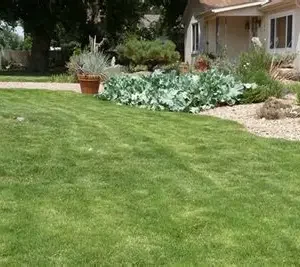
It can be used in native or low-maintenance landscapes, particularly when combined with Buffalograss, but it generally produces a more natural prairie appearance than a conventional lawn.
Does Blue Grama need irrigation?
Once established, it has very low water requirements. Supplemental moisture can improve growth, but it is naturally adapted to dryland conditions.
Is Blue Grama good for erosion control?
Yes. Its perennial growth and extensive root system make it useful for reclamation and soil stabilization.
Does Blue Grama tolerate shade?
No. It performs best in full sun and generally does poorly under dense shade.

Reviews
There are no reviews yet.