A Lawn That Doesn’t Demand Constant Attention
The primary purpose of this blend is simple: produce useful, attractive turf with fewer inputs.
Traditional high-maintenance lawns can require frequent mowing, irrigation, fertilization, and other management. Fine fescues naturally grow more slowly and perform well under lower fertility, making them particularly useful for reduced-input landscapes.
This blend can help reduce:
- Mowing frequency
- Fertilizer applications
- Irrigation demand
- Overall lawn maintenance
- Labor requirements
It is an excellent choice where practicality and appearance are both important.
Key Features
Reduced Mowing
Fine fescues generally grow more slowly than many conventional lawn grasses, allowing mowing frequency to be reduced.
Lower Fertility Requirements
This blend is designed to perform without the aggressive fertilizer program associated with high-input turf.
Reduced Water Requirements
Fine fescues have strong drought tolerance and can maintain turf under lower-input irrigation management.
Excellent Shade Performance
Fine fescues are particularly useful in areas where reduced sunlight makes it difficult to maintain other turfgrass species.
Good Drought Tolerance
The combination of Hard, Sheep, Creeping Red, and Chewings Fescues provides strong performance when water becomes limited.
Good Traffic Tolerance
The blend is designed to tolerate moderate traffic while maintaining useful turf coverage.
Fine Leaf Texture
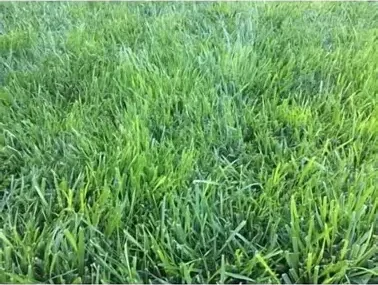
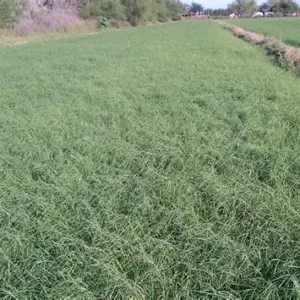
Fine fescues produce narrow leaves that create a soft, attractive turf appearance.
Quick Establishment
Perennial ryegrass germinates relatively quickly and helps provide early coverage while the fine fescues establish.
A Strong Option for Difficult Shaded Areas
Shade is one of the most difficult conditions for maintaining conventional turf.
Fine fescues are among the most shade-tolerant cool-season turfgrasses, making this blend especially useful for areas such as:
- Beneath open tree canopies
- North-facing lawns
- Areas alongside buildings
- Residential backyards
- Landscaped commercial properties
- Areas receiving mixed sun and shade
The mixture is specifically formulated with fine fescues that perform well under shaded conditions.
Extremely dense shade can still limit turf establishment, regardless of grass species.
Maintain Turf with Less Water
Fine fescues are well known for their ability to perform under reduced irrigation compared with many high-input turf systems.
This blend’s drought tolerance makes it useful for landscapes where water conservation is an important consideration.
Water-Saving Benefits
- Lower irrigation requirements
- Good drought survival
- Reduced summer water demand
- Lower overall maintenance
- Good performance under moderate moisture stress
During prolonged heat and drought, fine fescues may enter dormancy rather than maintaining continuous active growth.
This natural response helps the grass survive unfavorable conditions until cooler temperatures and moisture return.
Establish During Cool Growing Conditions
Fine fescues and perennial ryegrass are cool-season grasses, so establishment is best when temperatures favor cool-season root and shoot growth.
General Planting Information
Crop Type: Cool-season perennial turf mixture
Primary Uses: Lawns, shade, low-maintenance turf, naturalized areas
Establishment: Seeded
Preferred Planting Season: Fall or early spring
Sun Adaptation: Sun to shade
Drought Tolerance: Very Good
Traffic Tolerance: Good
Maintenance Requirement: Low
Germination: Approximately 7–21 days
Planting Depth: Approximately ¼ inch
Fall establishment is generally preferred where possible because cooler temperatures favor establishment while reducing summer heat stress on young plants.
New Lawns & Overseeding
Recommended rates are:
New Lawn
5 lb. per 1,000 sq. ft.
Overseeding Existing Turf
3 lb. per 1,000 sq. ft.
The blend typically germinates in approximately 7–21 days under favorable conditions.
Actual establishment speed will depend on soil temperature, moisture, planting depth, and seed-to-soil contact.
What’s in Low Maintenance Fescue Blend?
Crop Type: Cool-season perennial turf mixture
Creeping Red Fescue: 25%
American Sheep Fescue: 25%
Hard Fescue: 25%
Chewings Fescue: 15%
Perennial Ryegrass: 10%
Primary Uses: Low-maintenance lawns, shade, naturalized areas
Germination: Approximately 7–21 days
New Lawn Rate: 5 lb./1,000 sq. ft.
Overseeding Rate: 3 lb./1,000 sq. ft.
Shade Tolerance: Excellent
Drought Tolerance: Very Good
Traffic Tolerance: Good
Water Requirement: Low to Moderate
Fertility Requirement: Low
Mowing Requirement: Low
Leaf Texture: Fine
Life Cycle: Primarily perennial
What is Low Maintenance Fescue Blend?
It is a fine fescue-based lawn mixture designed to reduce mowing, fertilizing, and watering requirements while providing attractive turf.
What’s in the blend?
It contains 25% Creeping Red Fescue, 25% American Sheep Fescue, 25% Hard Fescue, 15% Chewings Fescue, and 10% Perennial Ryegrass.
Is Low Maintenance Fescue good for shade?
Yes. Shade tolerance is one of the blend’s primary strengths.
Is it drought tolerant?
Yes. The fine fescues in the mixture provide very good drought tolerance compared with many conventional cool-season turf mixtures.
How much seed do I need for a new lawn?
Use approximately 5 lb. per 1,000 square feet.
How much should I use for overseeding?
Use approximately 3 lb. per 1,000 square feet.
How quickly does it germinate?
Under favorable conditions, germination generally occurs in approximately 7–21 days.
Does it require much fertilizer?
No. The mixture is specifically designed for reduced-input applications.
Does it need to be mowed frequently?
No. Reduced mowing is one of the primary advantages of the blend.
Is it good for West Texas?
It can be particularly useful for shaded and protected West Texas lawns where warm-season grasses struggle from insufficient sunlight. Exposed full-sun sites with extreme summer heat may favor a warm-season turfgrass instead.
Can I overseed an existing lawn with it?
Yes. The recommended overseeding rate is approximately 3 lb. per 1,000 square feet.
Is this the same as Tall Fescue?
No. The mixture consists primarily of fine fescues, which have narrower leaves and different maintenance characteristics than Tall Fescue.

Reviews
There are no reviews yet.