Developed from Texas, Oklahoma & Kansas Genetics
Texoka is not simply a generic buffalograss seed source.
It was developed as a broad-based synthetic cultivar from ten selected buffalograss clones originating from populations in Texas, Oklahoma, and Kansas. Even its name reflects those three states.
That background helps explain Texoka’s strong fit across the Southern Great Plains.
Texoka is an excellent option for:
- Native pasture
- Rangeland
- Low-maintenance lawns
- Conservation plantings
- Reclamation projects
- Recreational areas
- Erosion control
- Roadsides
- Short-grass prairie mixtures
- Large-acreage ground cover
A Buffalograss Selected for Forage Production
One of the biggest differences between Texoka and many newer buffalograss cultivars is its forage-oriented background.
Texoka was selected in part for strong forage production and has historically been used as a pasture and rangeland grass.
Grazing Benefits
- Good livestock forage value
- Warm-season perennial production
- Excellent drought persistence
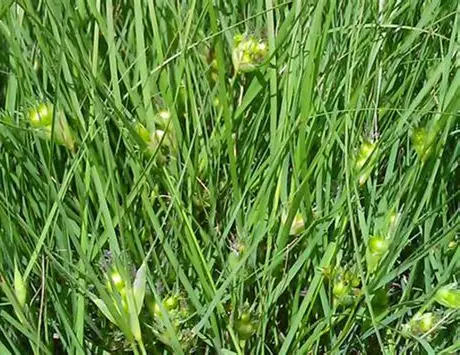
- Low-growing sod-forming habit
- Can remain useful under low-input management
- Native adaptation
- Suitable for range and pasture systems
- Can provide cured winter forage
Texoka is not intended to compete with bermudagrass or other improved forage grasses for maximum tonnage. Its strength is persistent native forage under lower-input and drier conditions.
Natural Turf Without High Water Demand
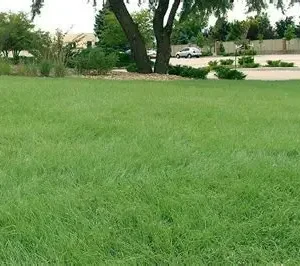
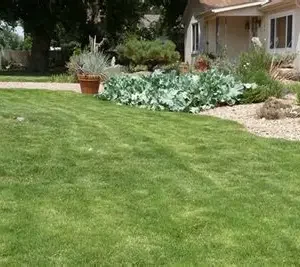
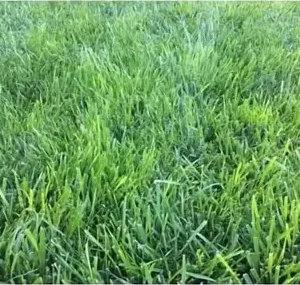
Texoka can also be used as a native lawn and recreational grass.
Compared with newer turf-selected buffalograsses, Texoka generally produces a thinner, more natural-looking turf rather than an extremely dense manicured lawn.
That can be an advantage for:
- Rural properties
- Ranch homes
- Native landscapes
- Wildflower areas
- Low-water lawns
- Large commercial sites
- Recreational areas
- Naturalized landscapes
Its lighter, more open turf can also allow wildflowers and other native species to coexist more easily than in a highly dense turf stand.
Key Features
Native Southern Plains Genetics
Texoka was developed from selected buffalograss populations originating in Texas, Oklahoma, and Kansas.
Selected for Forage Production
Texoka was specifically selected for strong forage production compared with many commercial buffalograss sources.
Excellent Drought Tolerance
Like buffalograss generally, Texoka is highly adapted to prolonged summer drought and low-rainfall environments.
Seeded Establishment
Texoka can be established directly from seed, making it practical for pasture, rangeland, reclamation, and larger landscape projects.
Sod-Forming Growth
It spreads through stolons to form permanent perennial ground cover.
Low Maintenance
Once established, Texoka generally requires relatively little irrigation, mowing, and fertility compared with higher-input turfgrasses.
Broad Regional Adaptation
Texoka is particularly well adapted to western Oklahoma, western Kansas, northwestern Texas, and similar Great Plains environments.
A Native Grass That Fits the High Plains
Texoka is especially relevant for West Texas and the Texas High Plains because its genetics and selection history come directly from Southern Great Plains environments.
Buffalograss naturally occurs throughout the Texas High Plains, Rolling Plains, and Trans-Pecos and performs particularly well on sites with:
- Low annual rainfall
- Full sun
- Well-drained soils
- Hot summers
- Cold winters
- Low-input management
Potential uses throughout West Texas include:
- Native pasture
- Ranch yards
- Low-maintenance turf
- Commercial landscapes
- Conservation seedings
- Reclamation
- Erosion control
- Native grass mixtures
For many properties, Texoka is better thought of as a native range and conservation grass that can also make turf rather than a high-end lawn cultivar.
Built for Limited Rainfall
Buffalograss evolved under the dry conditions of the Great Plains and is one of the most drought-tolerant perennial grasses available for this region.
Texoka can survive long periods of summer drought by slowing or suspending active growth and then responding when moisture returns.
Drought Adaptation Benefits
- Lower irrigation demand
- Excellent survival during dry periods
- Good fit for dryland acres
- Reduced maintenance requirements
- Strong persistence under low rainfall
- Well suited to western environments
Adequate moisture is still important during germination and establishment. Drought tolerance becomes much more useful once the root system and stolons are established.
Establish When Warm-Season Growth Can Begin
Texoka should be established when conditions support germination and early growth.
General Planting Information
- Crop Type: Warm-season perennial native grass
- Species: Buffalograss
- Scientific Name: Bouteloua dactyloides
- Cultivar: Texoka
- Primary Uses: Pasture, turf, erosion control, reclamation
- Establishment: Seeded
- Growth Habit: Stoliferous, sod forming
- Sun Requirement: Full sun
- Planting Season: Spring through early summer
- Typical Mature Height: Approximately 4–10 inches
- Best Fit: Low-input, lower-rainfall sites
Seed should be placed shallow with good seed-to-soil contact.
Match the Rate to the Intended Use
Seeding rates can vary widely depending on whether Texoka is being planted for rangeland, pasture, reclamation, or turf.
Rangeland & Conservation Plantings
A commonly used recommendation is approximately:
- 8 lb. PLS/acre
- Maximum planting depth: about ¼ inch
Turf & Small Areas
Higher rates are typically used to produce faster and denser coverage:
- Approximately 1–4 lb. per 1,000 sq. ft., depending on seed formulation and desired density
The final rate should account for:
- Pure live seed
- Hulled vs. bur seed
- Seed coating
- Germination
- Drill vs. broadcast
- Turf vs. rangeland objective
Use the current bag tag and Jack Seed & Supply’s recommendation for the exact seed lot being planted.
What Does Texoka Bring to the Field?
Crop: Buffalograss
Cultivar: Texoka
Scientific Name: Bouteloua dactyloides
Crop Type: Warm-season perennial native grass
Origin: Selected from Texas, Oklahoma, and Kansas populations
Growth Habit: Sod-forming through stolons
Typical Height: Approximately 4–10 inches
Primary Uses: Rangeland, pasture, turf, erosion control, reclamation
Establishment: Seeded
Forage Value: Good
Forage Production: Strong for a buffalograss cultivar
Drought Tolerance: Excellent
Heat Tolerance: Excellent
Cold Tolerance: Excellent
Water Requirement: Low
Fertility Requirement: Low
Shade Tolerance: Poor
Full Sun: Preferred
Maintenance Requirement: Low
West Texas Adaptation: Excellent
Life Cycle: Perennial
What is Texoka Buffalograss?
Texoka is a seeded native buffalograss cultivar developed from selected plants originating in Texas, Oklahoma, and Kansas.
What is Texoka used for?
Texoka can be used for pasture, rangeland, native turf, reclamation, erosion control, recreational areas, and conservation plantings.
Is Texoka good for grazing?
Yes. Texoka was selected partly for forage production and provides good livestock grazing value.
Is Texoka good for West Texas?
Yes. Texoka is particularly well adapted to northwestern Texas and similar lower-rainfall Southern Plains environments.
Is Texoka drought tolerant?
Yes. Excellent drought tolerance is one of its strongest characteristics.
Does Texoka grow from seed?
Yes. Texoka is a seeded buffalograss cultivar.
How much Texoka should I plant per acre?
For rangeland and conservation applications, approximately 8 lb. PLS per acre is a useful general recommendation. Higher rates may be used for turf establishment.
How deep should Texoka be planted?
Keep seed shallow. Around ¼ inch or less is a good general target for rangeland establishment.
Is Texoka good for lawns?
Yes, especially for low-maintenance native lawns. However, its turf is generally thinner and more natural looking than newer turf-type buffalograsses.
Is Texoka better than Topgun?
It depends on the goal. Texoka is especially strong for forage, rangeland, conservation, and naturalized turf, while Topgun is more turf oriented.
Does Texoka need much water?
No. Once established, Texoka has very low water requirements compared with conventional turfgrass.
Does Texoka stay green all winter?
No. It goes dormant after frost and greens again when warm-season growth resumes.


Reviews
There are no reviews yet.